
Baltic States Push for Comprehensive EU Ban on Russian and Belarusian Grain Transit
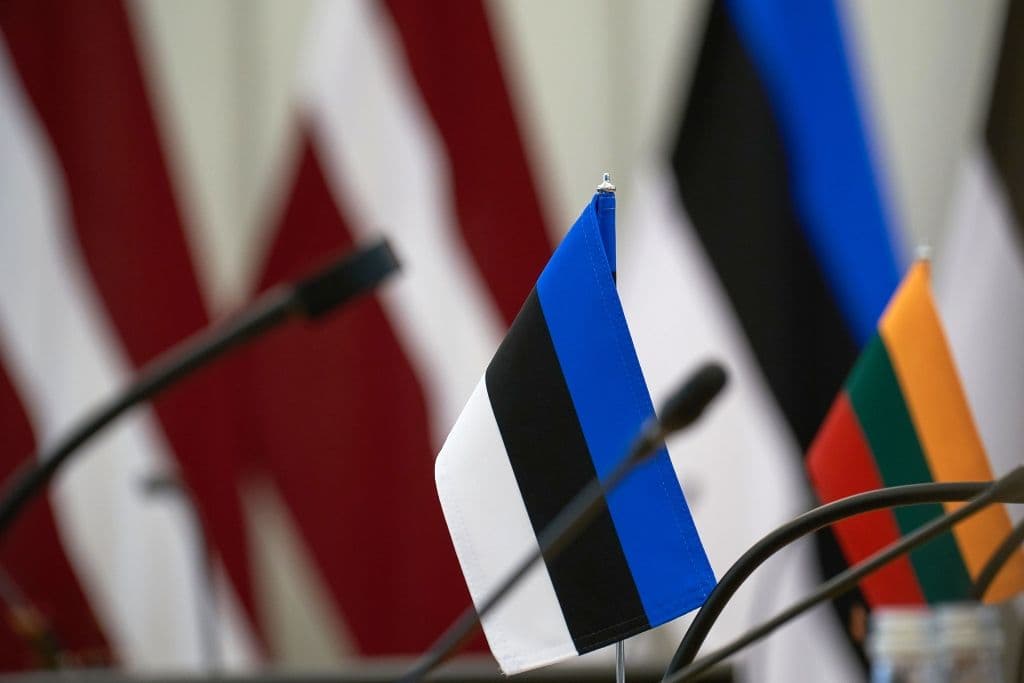
Estonia, Latvia, and Lithuania have formally requested an EU-wide ban on the transit of Russian and Belarusian grain, citing sanctions evasion and shifting logistics.
Joint Diplomatic Appeal to European Union Leadership
On October 9, 2026, the heads of government of Estonia, Latvia, and Lithuania submitted a formal joint proposal to the leadership of the European Union, urging the bloc to establish a comprehensive prohibition on the transit of grain originating from Russia and Belarus across EU territory.
The coordinated diplomatic initiative from the three Baltic nations seeks to create a binding, bloc-wide policy that would prevent regional infrastructure and European transport networks from serving as transit corridors for agricultural exports from both countries. The leaders submitted their request directly to EU authorities, calling for an immediate and unified regulatory response across all member states.
National Action by Estonia Precedes Regional Call
The collective appeal to Brussels followed an immediate unilateral move by Estonia just one day earlier. On October 8, 2026, the Estonian government enacted an outright national prohibition barring the transit of Russian and Belarusian grain through its borders.
Estonia enforced the measure without granting a transition period, cutting off transit traffic immediately upon enactment. This decisive domestic measure served as the direct precursor to the joint initiative, setting a precedent that Estonia, Latvia, and Lithuania now advocate applying across the entire external and internal borders of the European Union.
Shifting Logistics and Surging Northern Maritime Loadings
The regulatory push arrives amid substantial operational shifts in agricultural logistics across Europe. As ongoing conflict disrupted traditional maritime shipping operations through the Black Sea, Russian grain exporters increasingly redirected cargo flows northward toward European waterways.
Shipping and freight analytics from IFCHOR Galbraiths highlighted the scale of this diversion, revealing that Russian grain loadings at Baltic and continental ports reached 1.16 million tonnes in September 2026. This pronounced increase in northern European port utilization illustrates how northern transit corridors have absorbed volumes displaced from the Black Sea corridor.
Arguments on Sanctions Integrity and Disputed Commodity Flows
In their joint justification to the European Union, Estonia, Latvia, and Lithuania argued that European transportation networks must not facilitate the movement of Russian agricultural goods. The Baltic governments asserted that maintaining open transit channels enables Moscow to offset the financial and trade consequences of broader economic sanctions.
Furthermore, the Baltic leadership raised concerns regarding the origin and legitimacy of the transiting commodities. They warned that continued access to EU transit infrastructure allows for the potential export and international distribution of grain illicitly taken from occupied Ukrainian territories, reinforcing their demand for an immediate, unified ban across all EU member states.
Related Articles
Poland and Romania Decline Expansion of Ukrainian Grain Transit Corridors
Poland and Romania Decline Expansion of Ukrainian Grain Transit Corridors
Black Sea Export Paralyzation Escalates Global Wheat Risk Premiums and FX Strain for Importers
Black Sea Export Paralyzation Escalates Global Wheat Risk Premiums and FX Strain for Importers
European Commission Considers Post-Accession Agricultural Curbs for Ukraine
European Commission Considers Post-Accession Agricultural Curbs for Ukraine
European Commission Proposes Transitional Safeguards for Ukrainian Agriculture Post-Accession