
Morocco Halts Tomato Export Permits to African Destinations to Cool Domestic Prices
Morocco suspended tomato export permits to African markets to lower domestic food prices after output drops in Souss-Massa, while European trade continues.
Export Permit Moratorium for Regional African Outlets
On November 5, 2026, Moroccan authorities moved to curb outward flows of fresh produce by suspending the issuance of new tomato export permits designated for African markets. The intervention represents an active administrative measure to alter cross-border trade flows amid acute domestic market strains.
By withholding new authorization permits for commercial shipments moving south, the government has directly targeted trade channels serving regional buyers across the continent. Fresh produce logistics and distribution networks accustomed to sourcing Moroccan tomatoes face immediate adjustments, as trade flows that regularly clear border checkpoints into African destinations are curtailed under the permit suspension.
Prioritizing Domestic Supply and Price Stabilization
The central objective behind halting new export permits is the stabilization of retail and wholesale food prices within Morocco's domestic market. Recent price surges for essential staples, particularly fresh tomatoes, have placed pressure on consumers and policymakers alike.
By cutting off permit access for African regional trade, authorities intend to re-channel available agricultural supply directly into domestic distribution hubs, wholesale markets, and neighborhood retail networks. Diverting volumes that would otherwise enter external trade corridors is aimed at cooling upward price volatility and restoring a more sustainable balance between local supply and consumer demand.
Upstream Pressures: Souss-Massa Yields and Input Costs
The market imbalance prompting the export restrictions stems from operational difficulties at the production level. Domestic supply contractions are primarily attributed to reduced productivity in the Souss-Massa region, the country's central greenhouse and horticultural production belt.
Growers in Souss-Massa have confronted compounding agronomic and financial hurdles. Beyond declining yields across production sites, the farming sector has absorbed steep increases in essential operational inputs, notably the rising costs of commercial fertilizers and fuel. These elevated operational outlays have strained producer margins, reduced harvest output, and contributed directly to the domestic supply deficit that drove prices higher.
Preservation of European Export Channels
Despite the shutdown of new export documentation for African markets, Morocco's agricultural export architecture has not implemented a blanket border closure. Trade routes toward European markets remain expressly exempt from the suspension.
This carve-out leaves shipments bound for Europe operational under their established regulatory framework, insulating northern export programs from the immediate fallout of the regional African permit moratorium. As a consequence, Moroccan agribusiness operations face a bifurcated market environment, wherein long-distance European supply arrangements continue while regional cross-border commerce across the African continent remains restricted to defend local food availability.
Related Articles

EU Suspends Namibian Meat Imports Following Foot-and-Mouth Disease Outbreak
EU Suspends Namibian Meat Imports Following Foot-and-Mouth Disease Outbreak
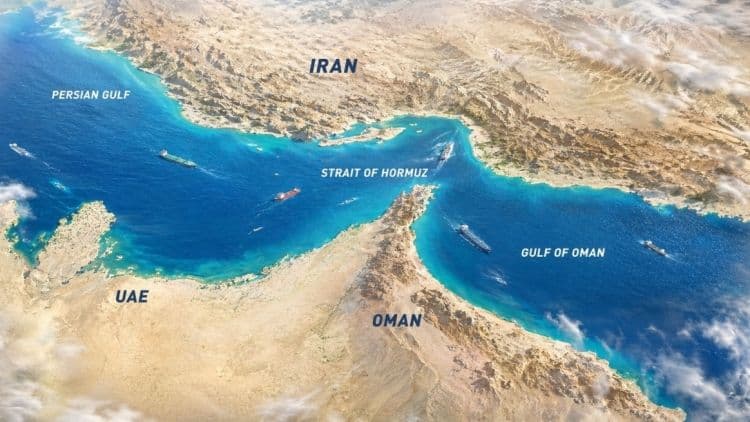
Strait of Hormuz Disruptions Threaten Global Fertilizer Trade and African Agriculture
Strait of Hormuz Disruptions Threaten Global Fertilizer Trade and African Agriculture

South Africa Records $2.14 Billion Agricultural Trade Surplus in Q2 2026
South Africa Records $2.14 Billion Agricultural Trade Surplus in Q2 2026
EU Agri-Food Trade: Tropical Commodity Import Values Fall 19% Amid Lower Cocoa Prices