
Sierra Leone and Morocco Finalize 2027–2029 Strategic Roadmap to Enhance Agricultural and Trade Cooperation
Sierra Leone and Morocco have signed a three-year cooperation roadmap for 2027–2029 to expand bilateral trade, agriculture, investment, and industrial ties.
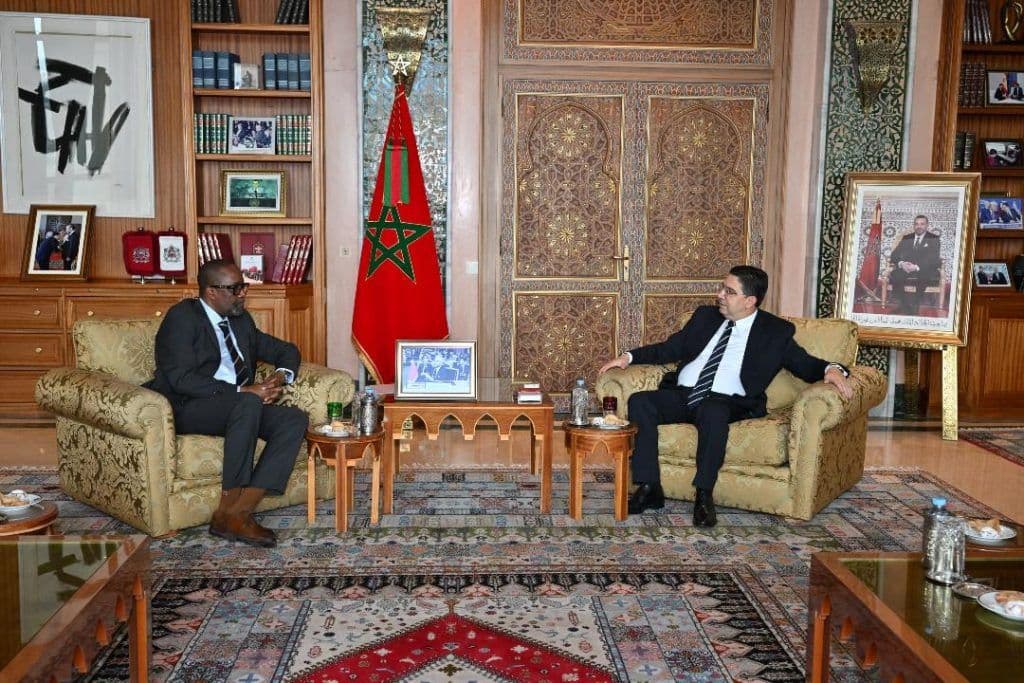
Framework for Agricultural and Trade Expansion
On November 10, 2026, the governments of Sierra Leone and Morocco concluded a bilateral agreement establishing a multi-year cooperation roadmap scheduled to guide joint development from 2027 through 2029. The strategic framework focuses on expanding bilateral trade, advancing agriculture, and stimulating mutual investment between the two African nations.
Under this three-year arrangement, the partner countries aim to align strategic objectives across critical productive sectors. Agricultural development and cross-border commercial facilitation stand out as central components of the accord, setting structured parameters for economic engagement over the latter half of the decade. By laying institutional ground rules ahead of the 2027 implementation date, both governments seek to create predictable channels for enterprise collaboration, commercial flows, and capital allocation across mutual areas of interest.
Diplomatic Dialogue and Bilateral Economic Priorities in Rabat
The roadmap was solidified during an official working visit to Rabat undertaken by Sierra Leone's Minister of Foreign Affairs and International Cooperation, Mohamed Rahman Swaray. High-level discussions conducted in the Moroccan capital examined mechanisms to translate existing bilateral ties into deeper economic and industrial partnerships.
A central focus of the negotiations was the formalization of technical collaboration. The agreed text emphasizes the exchange of technical expertise, providing an avenue for knowledge sharing and institutional capacity building across industrial and economic fields. Through this mechanism, both administrations intend to support structural improvements in production systems and strengthen the institutional architecture that supports bilateral trade.
Alignment with Regional Integration Initiatives
Beyond bilateral commercial frameworks, the discussions between Moroccan officials and Minister Swaray underscored a joint dedication to broader regional connectivity and South-South cooperation. Both nations formally reaffirmed their commitment to pan-African integration programs.
Key among these initiatives is the Nigeria-Morocco Atlantic African Gas Pipeline, a mega-infrastructure project intended to bridge West African energy resources with North African and international markets. The parties also reaffirmed their commitment to the Atlantic African States Process, highlighting shared strategic priorities along the Atlantic corridor. Within this broader integration policy, the 2027–2029 roadmap functions as a bilateral pillar that reinforces regional stability, infrastructure connectivity, and cohesive economic expansion across the continent.
Related Articles
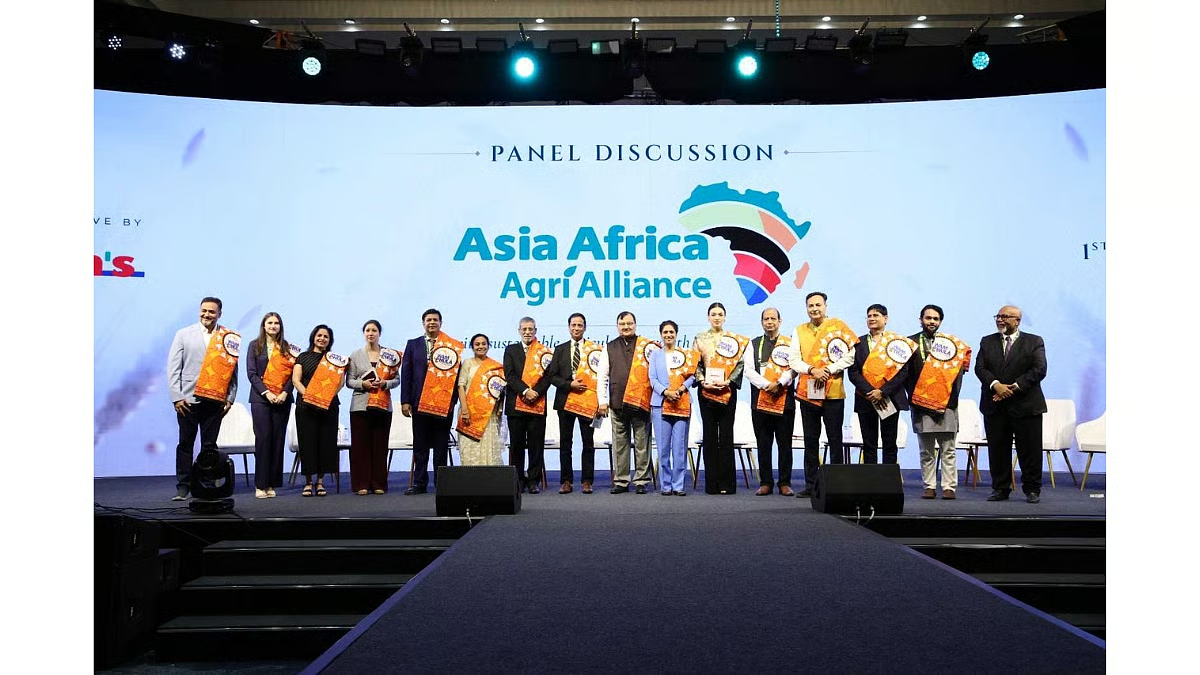
Asia Africa Agri Alliance Highlights Bilateral Trade and Processing Investments at GLOBOIL India 2026
Asia Africa Agri Alliance Highlights Bilateral Trade and Processing Investments at GLOBOIL India 2026

Russia and Togo Expand Agricultural Trade with Seven Bilateral Agreements
Russia and Togo Expand Agricultural Trade with Seven Bilateral Agreements
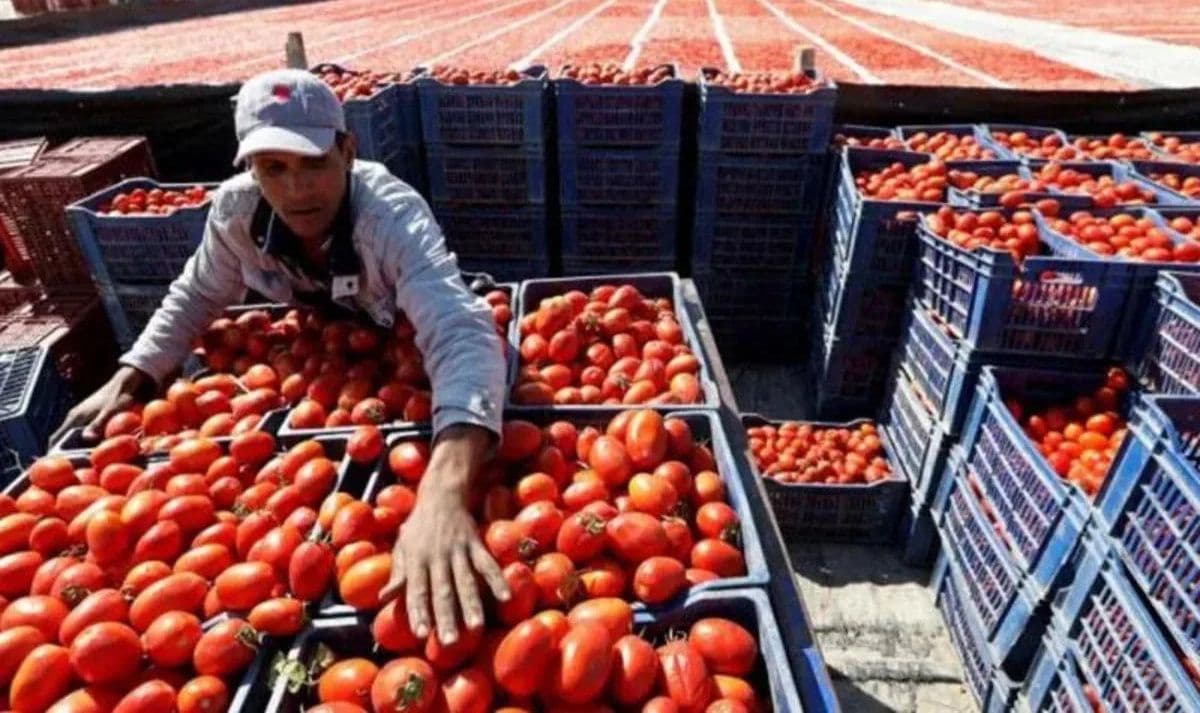
Morocco Halts Tomato Export Permits to African Destinations to Cool Domestic Prices
Morocco Halts Tomato Export Permits to African Destinations to Cool Domestic Prices
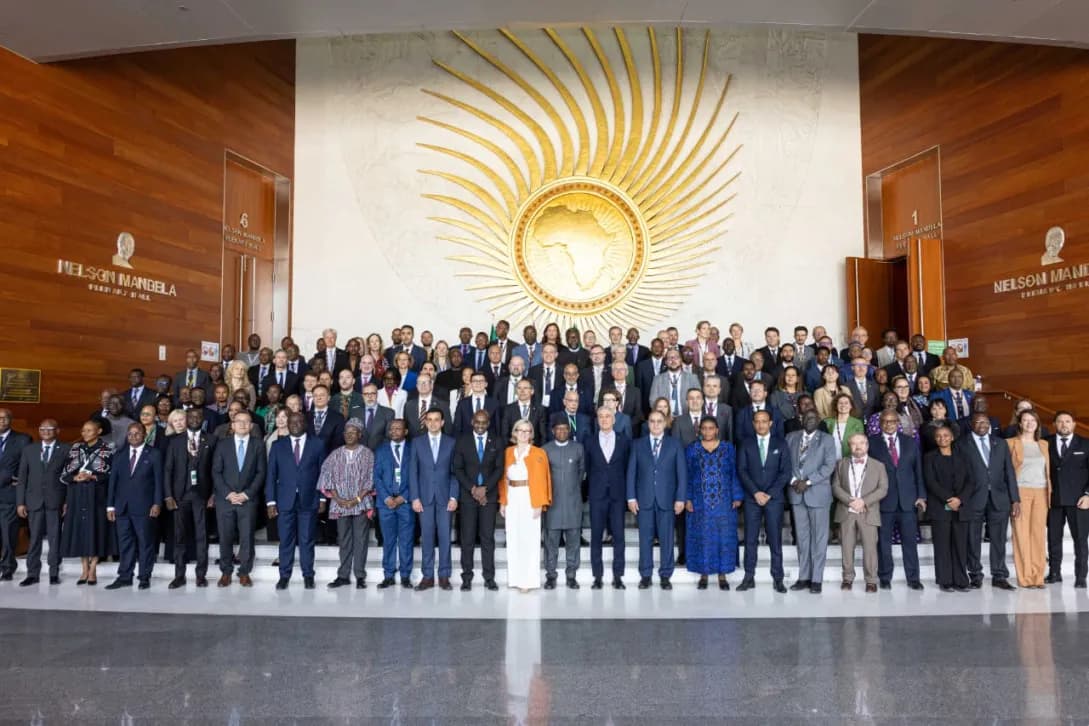
AU and EU Adopt Strategic Partnership Implementation Plan in Addis Ababa