
Strait of Hormuz Shipping Disruptions Threaten Global Food Supplies and Drive Agricultural Price Increases
IFAD and UN officials warn shipping disruptions in the Strait of Hormuz threaten food security in Asia and Africa, driving up Q3 2026 agricultural prices by 13%.
Maritime Bottlenecks and Rising Threats to Global Food Security
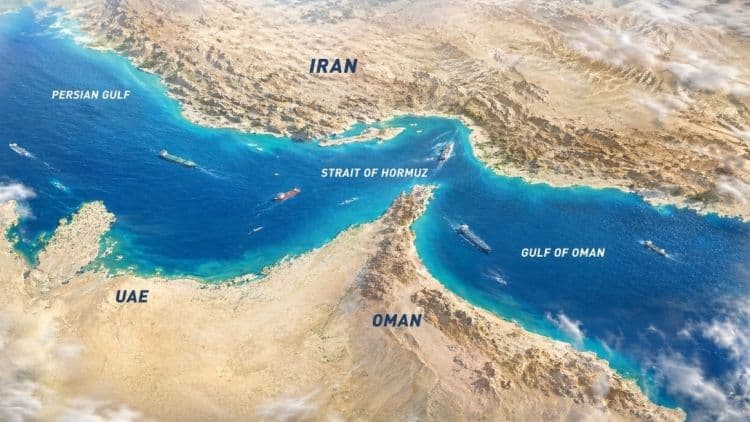
Shipping disruptions in the Strait of Hormuz have emerged as a critical vulnerability for international agricultural trade and global food production. The International Fund for Agricultural Development (IFAD), led by President Alvaro Lario, alongside United Nations officials, has issued warnings regarding the worsening fallout of the maritime crisis. The operational gridlock across the waterway is severely restricting access to both fertilizer supplies and fuel, amplifying input costs and threatening regional food security across vulnerable markets in Asia and Africa.
The Strait of Hormuz serves as a primary logistical artery connecting global chemical and energy inputs to international agricultural producers. As transit security deteriorates, commercial navigation has faced severe delays and rising operational risks. The resulting restrictions on critical inputs are directly affecting farm-level economics and broad commodity distribution systems. International agriculture officials stress that the bottleneck poses immediate risks to agricultural production cycles, raising the probability of compounding shortages if input transit remains constrained.
Escalating Input Expenses and Altered Planting Strategies
The logistical bottlenecks in the Strait of Hormuz are translating into immediate financial pressures across global agricultural supply chains. IFAD warned that the maritime disruption is driving steep increases in transportation and fuel costs. These surging overheads are altering behavior on the ground, forcing agricultural producers to scale back on fertilizer applications and implement more cautious planting strategies.
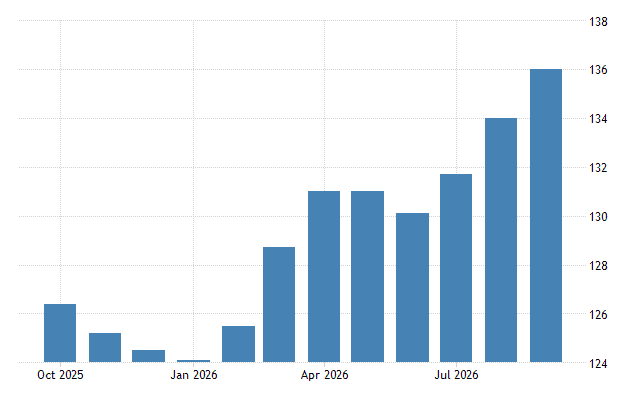
Reduced fertilizer application and curtailed field operations threaten crop development and aggregate harvest volumes. As farmers limit their commitments to mitigate rising operational expenditure, commercial crop yields face mounting downward pressure. The economic repercussions of these supply chain frictions are already registering across market indices. Agricultural commodity prices increased by 13% during the third quarter of 2026. Trade analysts and officials anticipate that price levels will face further upward pressure as ongoing logistical constraints and transit uncertainties persist across the vital trade corridor.
The Urea and Sulfur Trade Nexus
The significance of the Strait of Hormuz to international agribusiness is anchored in its central position within the global trade of primary fertilizer components. Before the outbreak of conflict-related disruptions, the waterway handled approximately one-third of global urea trade. In addition, the passage accommodated nearly half of the world's seaborne sulfur flows.
Both urea and sulfur represent indispensable building blocks for global agriculture. Urea provides the high-nitrogen foundation necessary for major crop cycles, while sulfur is an essential component in the manufacturing of phosphate-based fertilizers and broader soil enhancement products. The effective halt or severe restriction of maritime movements through this single chokepoint removes a substantial portion of critical supply from international markets. Importers and agribusinesses dependent on steady fertilizer deliveries face severe supply crunches, leaving regional supply chains depleted and heightening the operational strain on import-reliant economies.
The Proposed Five-Vessel Transit Mechanism and Regional Exposure
To avert an escalating humanitarian and market crisis, United Nations officials are actively pressing for targeted transit agreements to restore input flows. Chief among these diplomatic efforts is an urgent proposal to secure safe passage for at least five fertilizer vessels per day through the Strait of Hormuz. UN officials emphasize that establishing this minimum transit threshold is essential to avert a severe food security crisis in Asia and Africa.
Developing markets across Asia and Africa are especially vulnerable to shifts in fertilizer and fuel distribution due to limited financial flexibility and heavy reliance on maritime inputs. A prolonged failure to implement the five-vessel daily framework risks locking these regions into sustained crop deficits, elevated import costs, and broader food availability challenges. For commercial agricultural stakeholders, the activation and enforcement of a dedicated maritime transit solution for agricultural inputs remains the critical factor determining harvest trajectories and market stability heading into subsequent production cycles.
Related Articles
Strait of Hormuz Disruptions Threaten Global Fertilizer Trade and African Agriculture
Strait of Hormuz Disruptions Threaten Global Fertilizer Trade and African Agriculture
FAO Food Price Index Climbs to Nearly Four-Year High Amid Cereal and Transport Strains
FAO Food Price Index Climbs to Nearly Four-Year High Amid Cereal and Transport Strains
Global Food Commodity Prices Reach Highest Level Since 2022 Amid Freight and Weather Pressures
Global Food Commodity Prices Reach Highest Level Since 2022 Amid Freight and Weather Pressures
Black Sea Export Paralyzation Escalates Global Wheat Risk Premiums and FX Strain for Importers