
UN Warns Strait of Hormuz Disruptions Threaten Global Fertilizer Supply and Planting Seasons
Shipping disruptions in the Strait of Hormuz since February 2026 threaten vital fertilizer flows, putting upcoming planting seasons in Asia and Africa at risk as UN officials push for a rapid transit agreement.
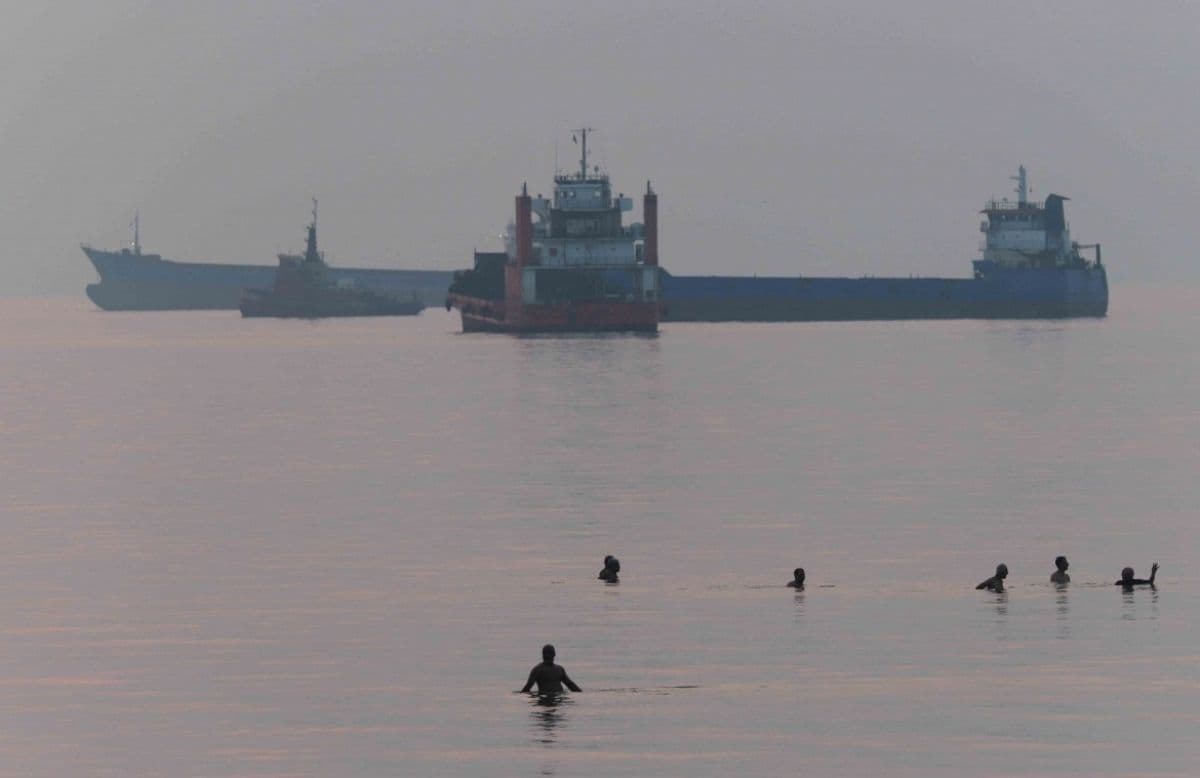
Hormuz Shipping Disruptions Endanger Agricultural Production
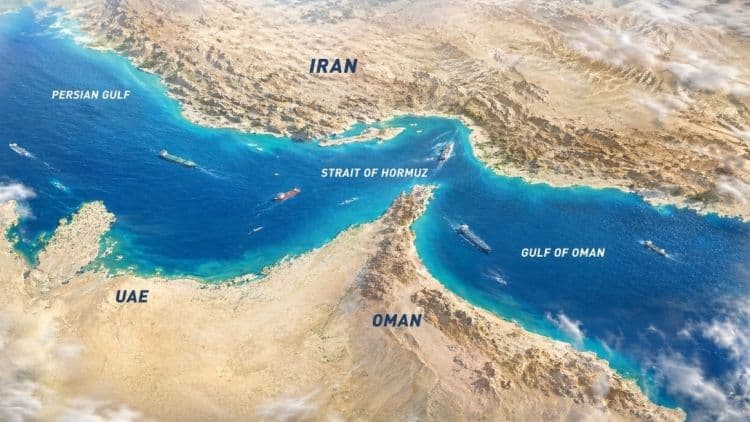
Prolonged shipping disruptions across the Strait of Hormuz are severely impairing the international distribution of vital agricultural inputs, prompting stark warnings from United Nations leadership regarding global food security. According to the International Fund for Agricultural Development (IFAD), the maritime bottleneck is directly affecting agricultural production, with compounding risks expected to impact harvests and future yields.
The logistical gridlock in the waterway has persisted since conflict-related shipping issues began in February 2026. The Strait represents an indispensable artery for international crop inputs: prior to the onset of the conflict, the corridor handled approximately one-third of all globally traded urea and nearly half of the world's seaborne sulfur shipments. As access to these critical fertilizer components remains obstructed, the disruption is cascading through agricultural supply chains and elevating risks across international farming belts.
Time-Sensitive Corridor Proposal Hinges on Diplomatic Agreement
To prevent an escalation of the crisis, the United Nations has formulated a framework designed to secure safe passage for fertilizer shipments traversing the strait. UN Under-Secretary-General Jorge Moreira da Silva emphasized that reaching a formal agreement on a dedicated fertilizer corridor within a matter of weeks is 'absolutely crucial' if farmers are to avoid missing their upcoming planting windows.
The proposed UN-backed arrangement centers on establishing an operational coordination center in Oman. Under this plan, the Oman facility would be tasked with registering commercial vessels and actively monitoring cargo moving through the passage. Officials indicate that once an agreement is reached between the United States and Iran, the coordination center and monitoring mechanism could be fully operational within 7 to 10 days, offering a rapid operational turnaround if diplomatic barriers can be cleared.
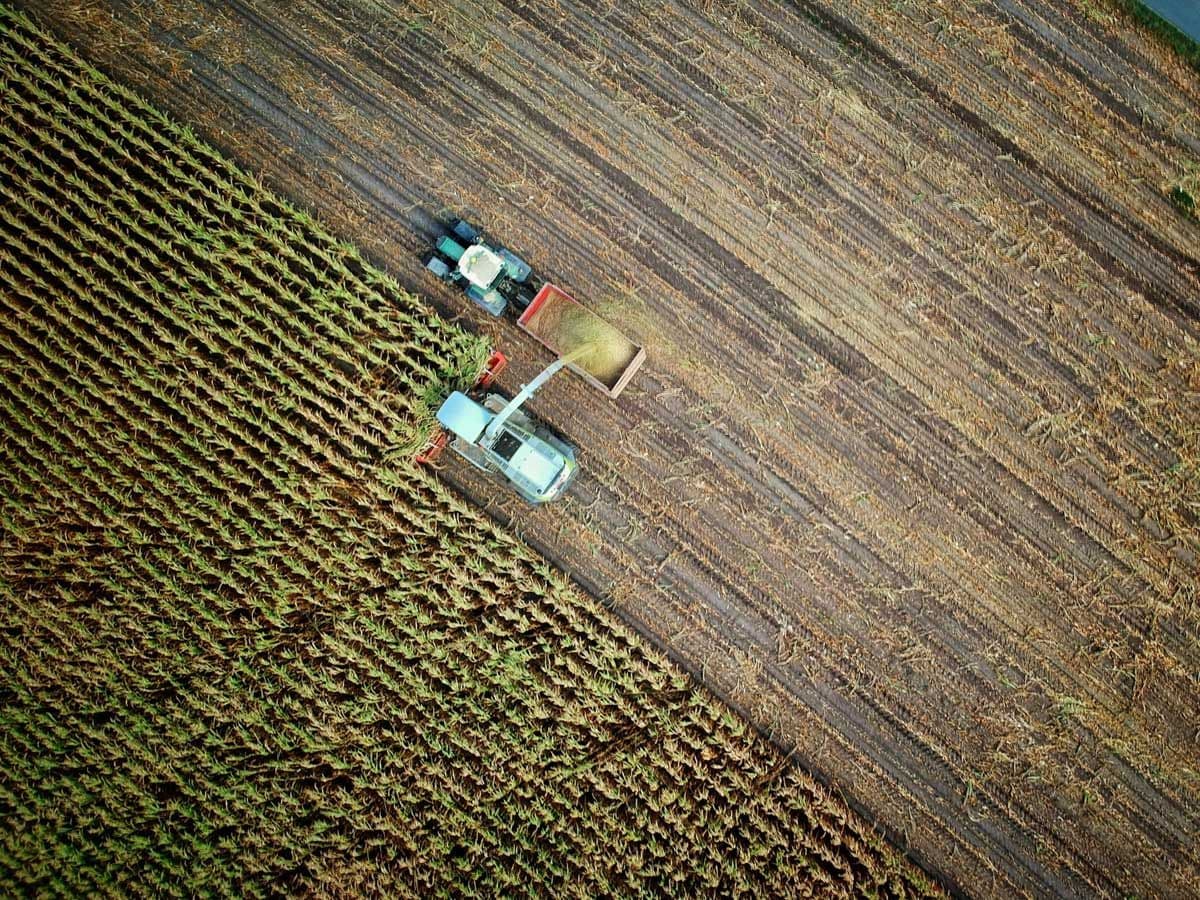
Planting Season Pressures and Commodity Price Inflation
The operational window to avert widespread input deficits is closing rapidly. Failure to activate the Oman-based transit mechanism within the next few weeks directly jeopardizes planting seasons in key importing regions, particularly across Asia and Africa, where agricultural sectors are dependent on timely urea and sulfur deliveries.
The shipping deadlock is already exerting upward pressure on international agricultural markets. Agricultural commodity prices increased by 13% during the third quarter of 2026, with market analysts and international agencies warning of further price hikes should disruptions along maritime routes continue unabated. With supply chains tightly constrained, international trade participants and farming sectors face mounting pressure as planting schedules draw near without secured fertilizer access.
Related Articles
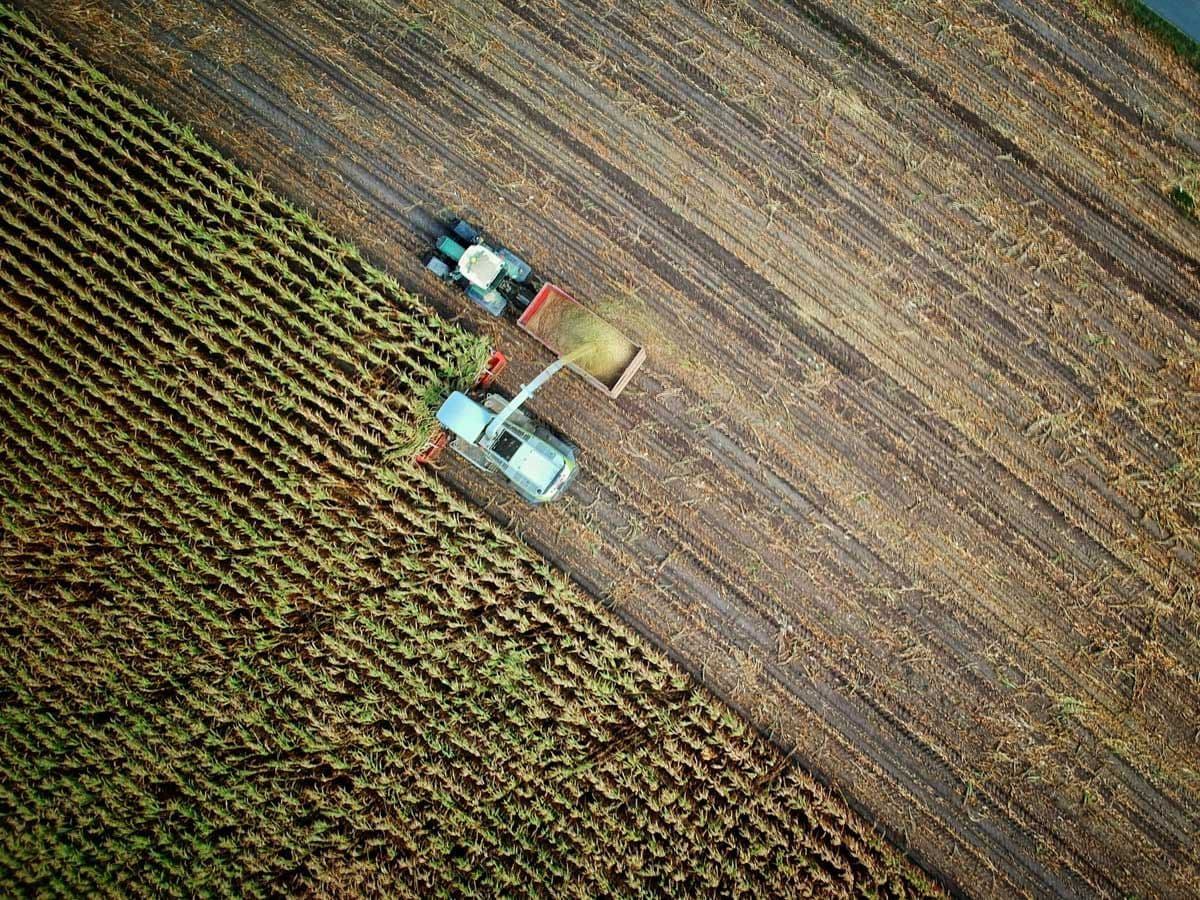
Strait of Hormuz Shipping Disruptions Threaten Global Food Supplies and Drive Agricultural Price Increases
Strait of Hormuz Shipping Disruptions Threaten Global Food Supplies and Drive Agricultural Price Increases
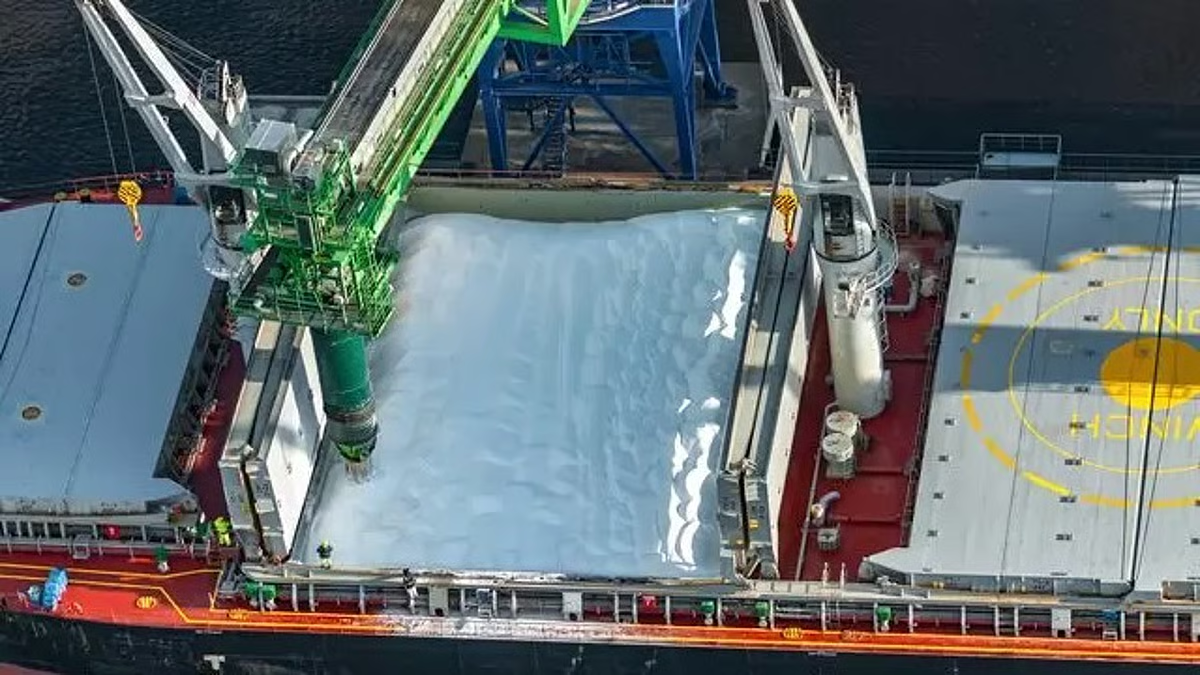
Hormuz Shipping Disruptions Drive Up Agricultural Prices as IFAD Warns of Threat to Global Food Security
Hormuz Shipping Disruptions Drive Up Agricultural Prices as IFAD Warns of Threat to Global Food Security
Strait of Hormuz Disruptions Threaten Global Fertilizer Trade and African Agriculture
Strait of Hormuz Disruptions Threaten Global Fertilizer Trade and African Agriculture
FAO Food Price Index Climbs to Nearly Four-Year High Amid Cereal and Transport Strains