
Hormuz Shipping Disruptions Drive Up Agricultural Prices as IFAD Warns of Threat to Global Food Security
IFAD reports a 13% surge in agricultural commodity prices in Q3 2026 amid Strait of Hormuz disruptions, as UN officials call for an urgent fertilizer corridor.
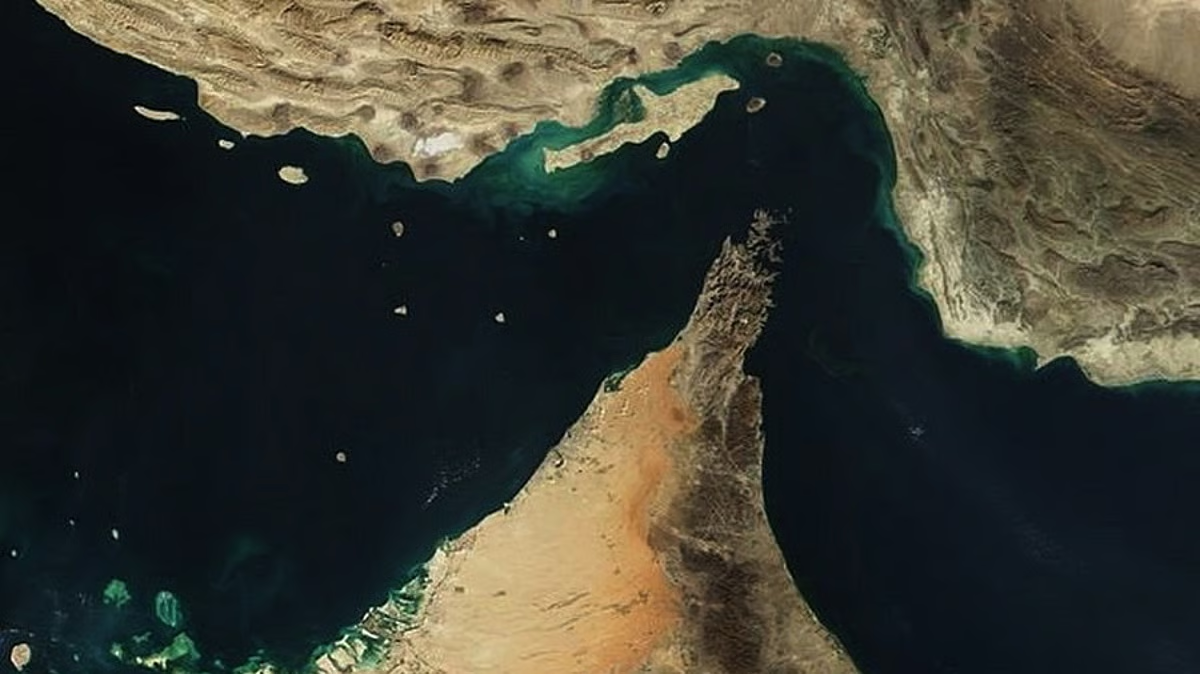
Hormuz Disruptions Trigger Sharp Price Increases in Agricultural Commodities
International agricultural supply chains face heightened instability as ongoing maritime transit disruptions in the Strait of Hormuz ripple through global commodity markets. According to reports from the International Fund for Agricultural Development (IFAD), agricultural commodity prices registered a 13% increase during the third quarter of 2026 directly linked to shipping bottlenecks and elevated security concerns in the strategic waterway.
IFAD President Alvaro Lario confirmed that the maritime turmoil has severely impaired normal freight flows, creating immediate price volatility across agricultural markets. For international food distribution systems already operating under sensitive margins, the choke point disruptions have introduced severe friction into global agricultural trade flows, driving up delivery expenses and destabilizing commodity valuations.
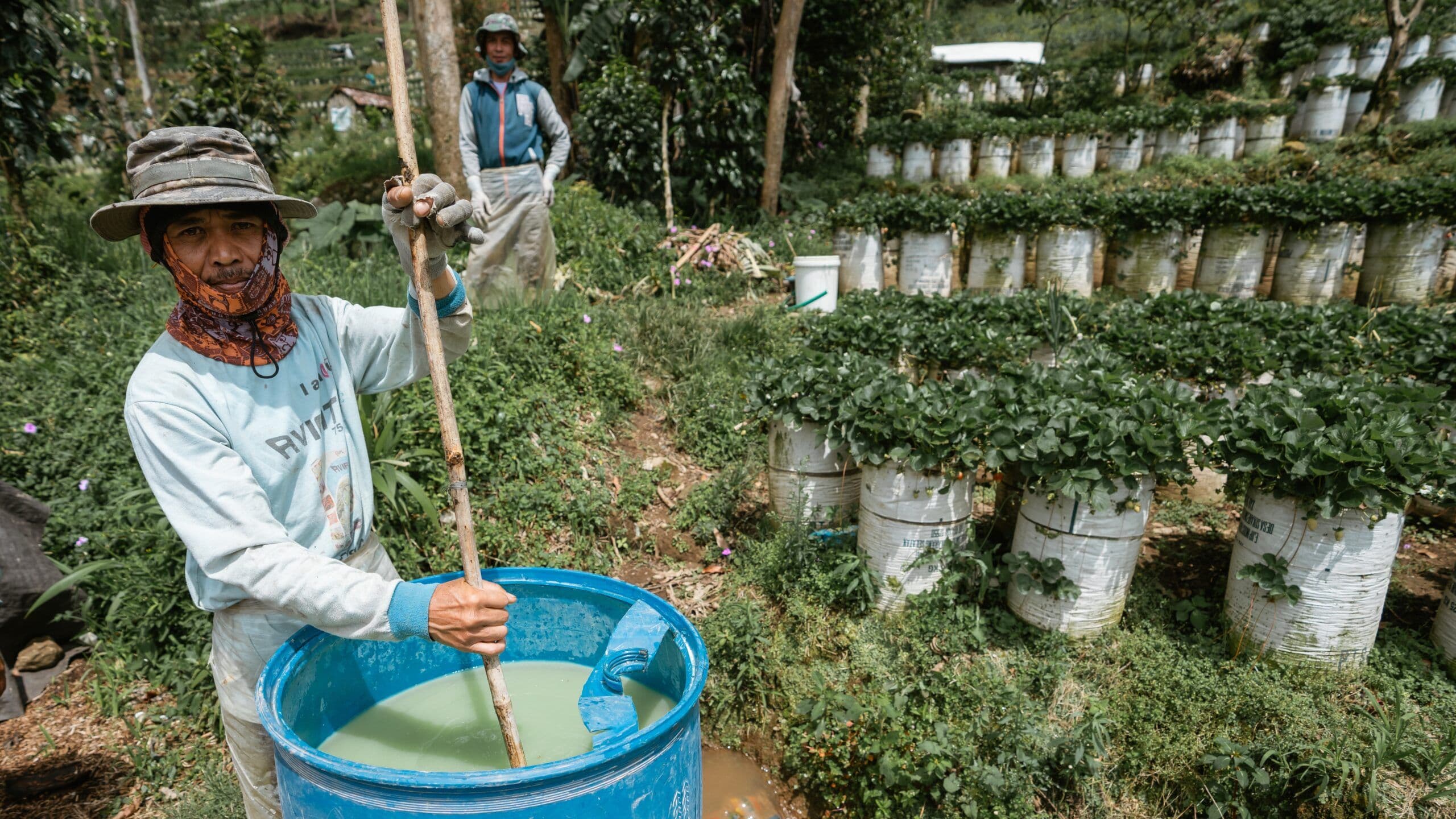
Farm-Level Impacts: Cautious Planting and Reduced Fertilizer Utilization
The shipping standoff in the Strait of Hormuz is exerting immediate downstream consequences on upstream agricultural production. Prolonged uncertainty regarding navigation through the strait has forced farmers to alter baseline operating decisions, adopting defensive and cautious planting strategies.
Facing delayed deliveries, logistical unpredictability, and rising input expenses, agricultural producers have begun actively reducing fertilizer application rates. Agricultural analysts and trade observers emphasize that this systematic cutback in essential inputs poses an acute threat to upcoming crop yields. The inability to secure timely and affordable inputs alters field preparations and threatens harvest volumes across multiple farming systems that depend on stable maritime trade lanes.
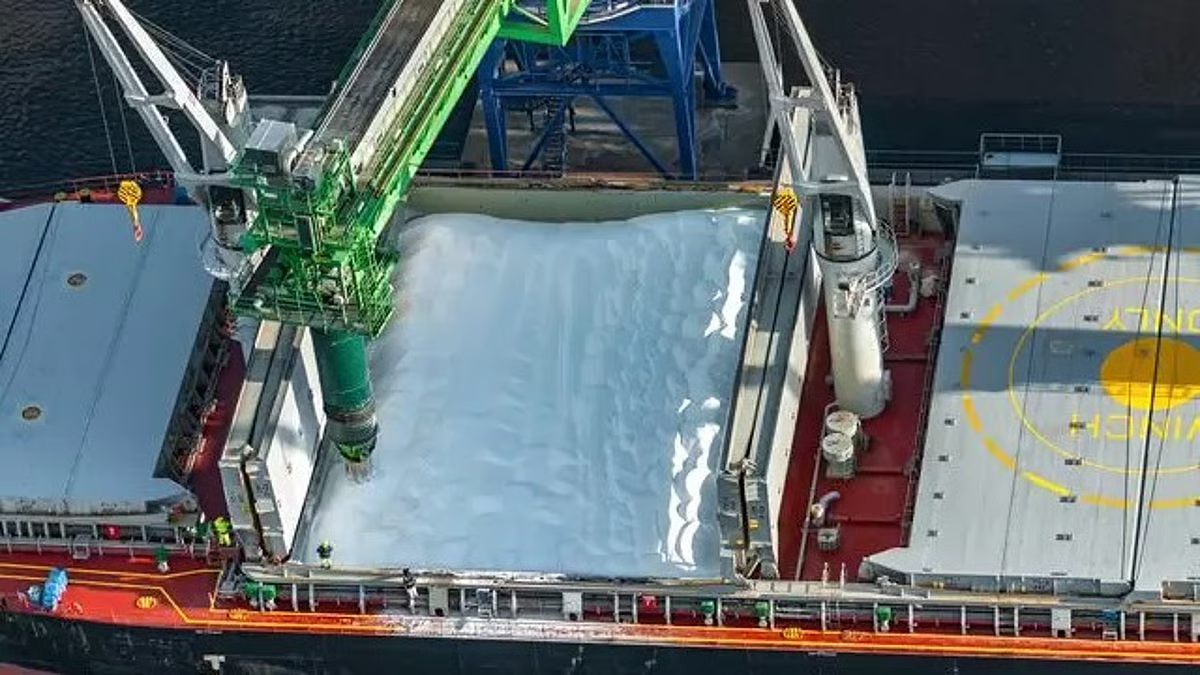
Critical Planting Windows at Risk in Asia and Africa
The operational timeline to prevent widespread agricultural output losses is tightening rapidly. United Nations officials have warned that an agreement on a specialized fertilizer transit mechanism between the United States and Iran must be concluded within weeks to avoid catastrophic consequences.
Without a functional transit corridor through the Strait of Hormuz to facilitate fertilizer flows, vital planting seasons in vulnerable regions of Asia and Africa risk being permanently compromised. Agricultural experts caution that missing these narrow planting windows would directly trigger a broader food security crisis, leaving key importing and producing nations unable to maintain baseline grain and staple production targets.
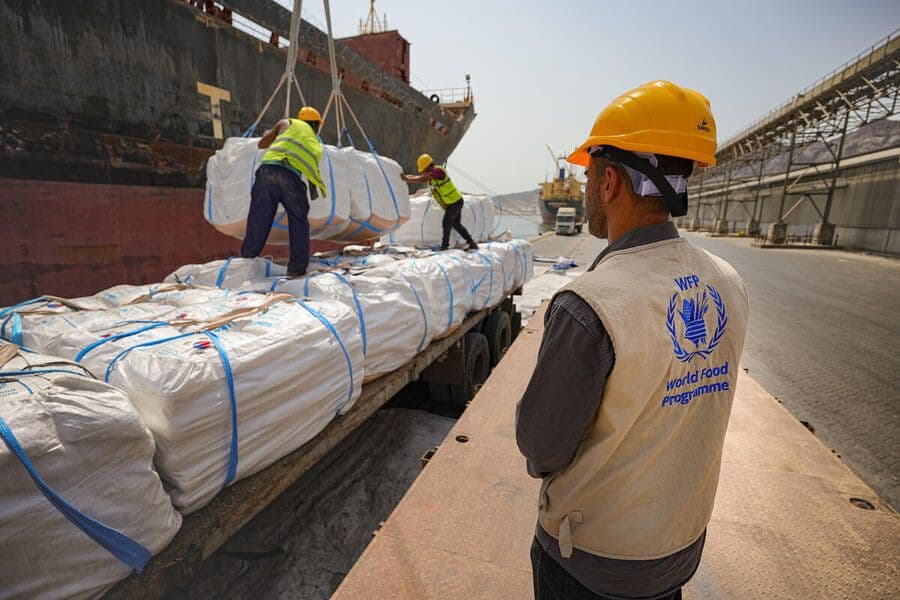
Compounding Strains on the International Food Supply Chain
The maritime disruptions in the Strait of Hormuz are not occurring in isolation. Instead, they compound a series of overlapping systemic challenges across international agricultural logistics. Escalating fuel and transportation costs have driven ocean shipping rates higher, significantly adding to the landed cost of food commodities and agricultural inputs.
Furthermore, these transport and fertilizer bottlenecks intensify existing supply vulnerabilities generated by the El Niño weather phenomenon and ongoing Black Sea wheat supply disruptions. With multiple global trade routes and production hubs simultaneously constrained by climatic pressures and geopolitical bottlenecks, the resilience of international food supply chains faces an escalating test.
Related Articles
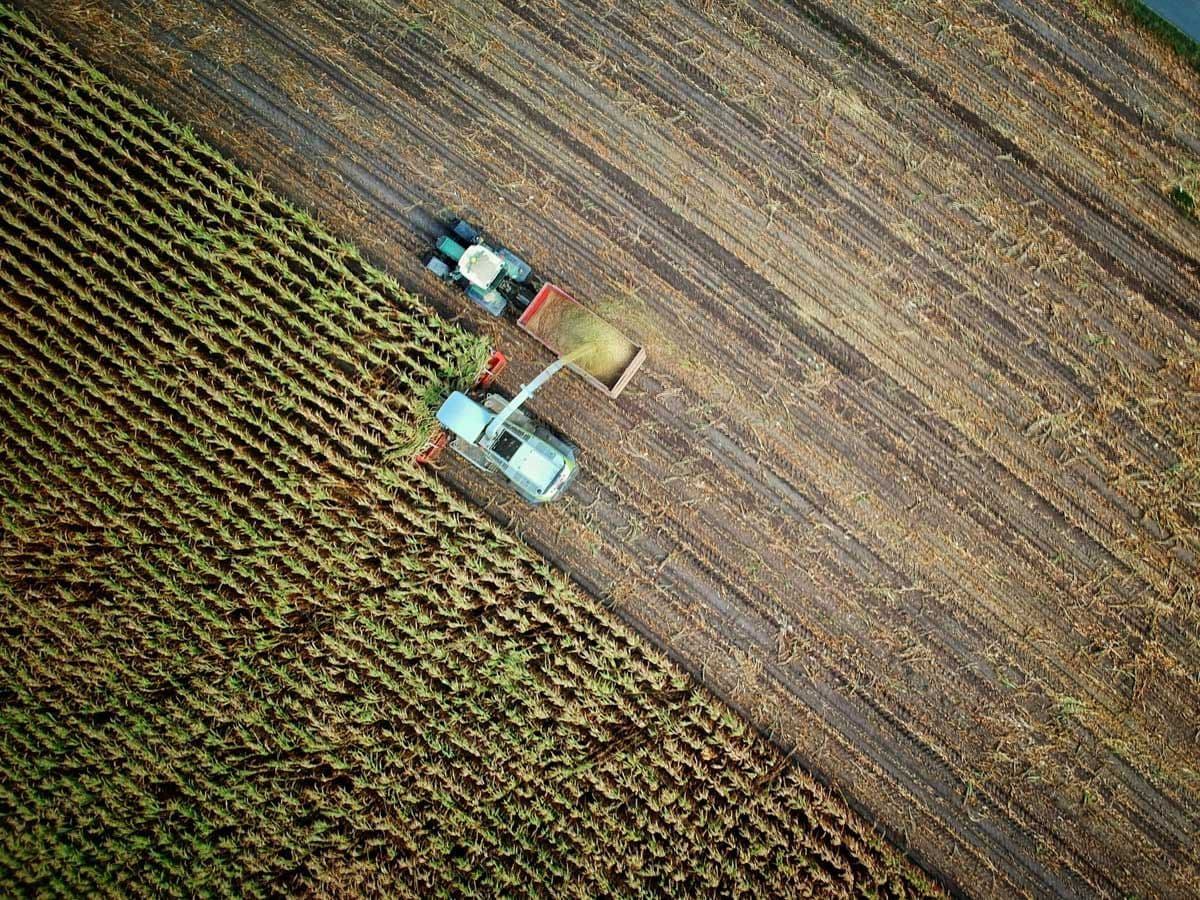
Strait of Hormuz Shipping Disruptions Threaten Global Food Supplies and Drive Agricultural Price Increases
Strait of Hormuz Shipping Disruptions Threaten Global Food Supplies and Drive Agricultural Price Increases
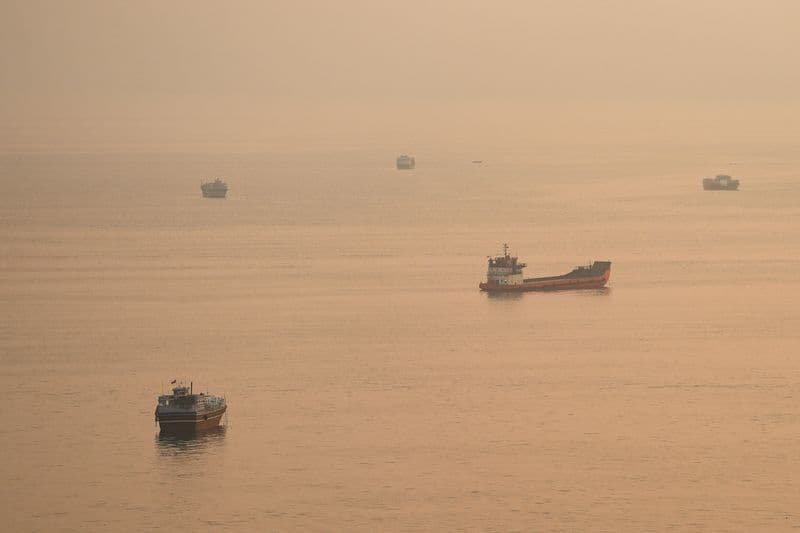
UN Warns Strait of Hormuz Disruptions Threaten Global Fertilizer Supply and Planting Seasons
UN Warns Strait of Hormuz Disruptions Threaten Global Fertilizer Supply and Planting Seasons
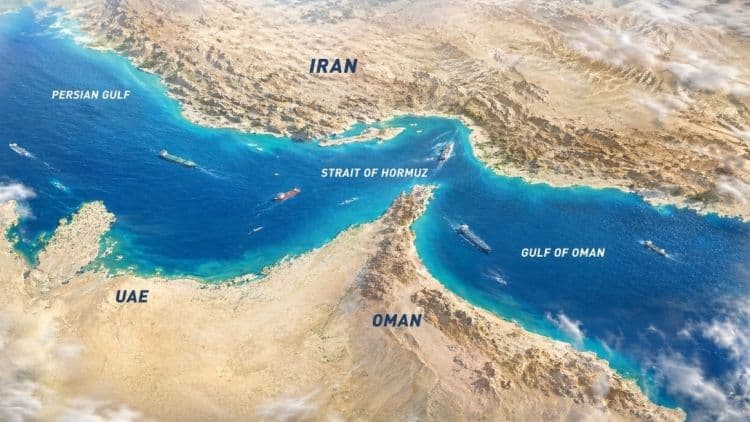
Strait of Hormuz Disruptions Threaten Global Fertilizer Trade and African Agriculture
Strait of Hormuz Disruptions Threaten Global Fertilizer Trade and African Agriculture
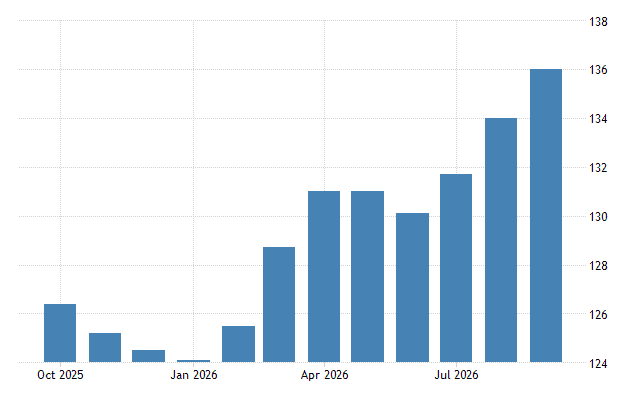
Global Food Commodity Prices Reach Highest Level Since 2022 Amid Freight and Weather Pressures