
EU Leaders Demand Immediate Restoration of Black Sea Grain Transit to Protect Global Food Security
At the October 16, 2026 summit, EU leaders demanded the restoration of safe Black Sea commercial transit, condemning attacks on Ukrainian grain infrastructure and highlighting risks to food security in Africa, Asia, and the Middle East.

European Council Calls for Unhindered Commercial Navigation
At the European Council meeting held on October 16, 2026, European Union leaders formally demanded the immediate restoration of safe passage for civilian, merchant, and commercial vessels operating in the Black Sea.
The formal call comes amid heightened concerns over maritime transit lanes that are vital for moving agricultural goods from Ukraine to international destinations. European leaders underscored that unhindered commercial navigation must be guaranteed to maintain international agricultural flows and prevent disruptions across primary maritime trade corridors.
Condemnation of Strikes on Agricultural Infrastructure and Maritime Law Violations
During the summit, the European Council strongly condemned Russia's systematic strikes against Ukrainian agricultural infrastructure. These targeted operations have damaged key components of the export network, including grain silos, storage facilities, and port installations situated across both the Black Sea coast and along the Danube River.
In addition to the destruction of onshore grain logistics, EU leaders highlighted strikes against civilian shipping vessels in the Black Sea basin. The Council explicitly pointed out that recent incidents occurring within the exclusive economic zones of EU member states Bulgaria and Romania represent direct violations of international and maritime law, posing severe hazards to commercial crews and merchant fleets attempting to load and transport agricultural cargo.
Vulnerabilities for Global Food Security in Africa, Asia, and the Middle East
EU leaders emphasized that the naval blockade and continued attacks against critical agricultural supply corridors pose immediate threats to international food stability. The disruption of maritime export corridors directly undermines global food security, with particularly acute consequences for import-dependent regions including Africa, Asia, and the Middle East.
By impeding commercial bulk carriers and degrading port throughput capacity, the interference with grain logistics jeopardizes critical shipments destined for populations vulnerable to food shortages and supply volatility.
Consolidating the EU-Ukraine Solidarity Lanes as Alternative Export Corridors
In response to ongoing risks facing Black Sea maritime corridors, European heads of state and government reaffirmed the necessity of strengthening alternative transport avenues. Leaders highlighted the consolidation of the 'EU-Ukraine Solidarity Lanes' as an essential mechanism for sustaining continuous grain and agricultural exports.
These overland and inland logistical channels remain critical for preserving supply chain resilience, ensuring that Ukrainian agricultural commodities can reach global markets despite systemic challenges and infrastructure damage in primary maritime hubs.
Related Articles

Baltic States Push for Comprehensive EU Ban on Russian and Belarusian Grain Transit
Baltic States Push for Comprehensive EU Ban on Russian and Belarusian Grain Transit
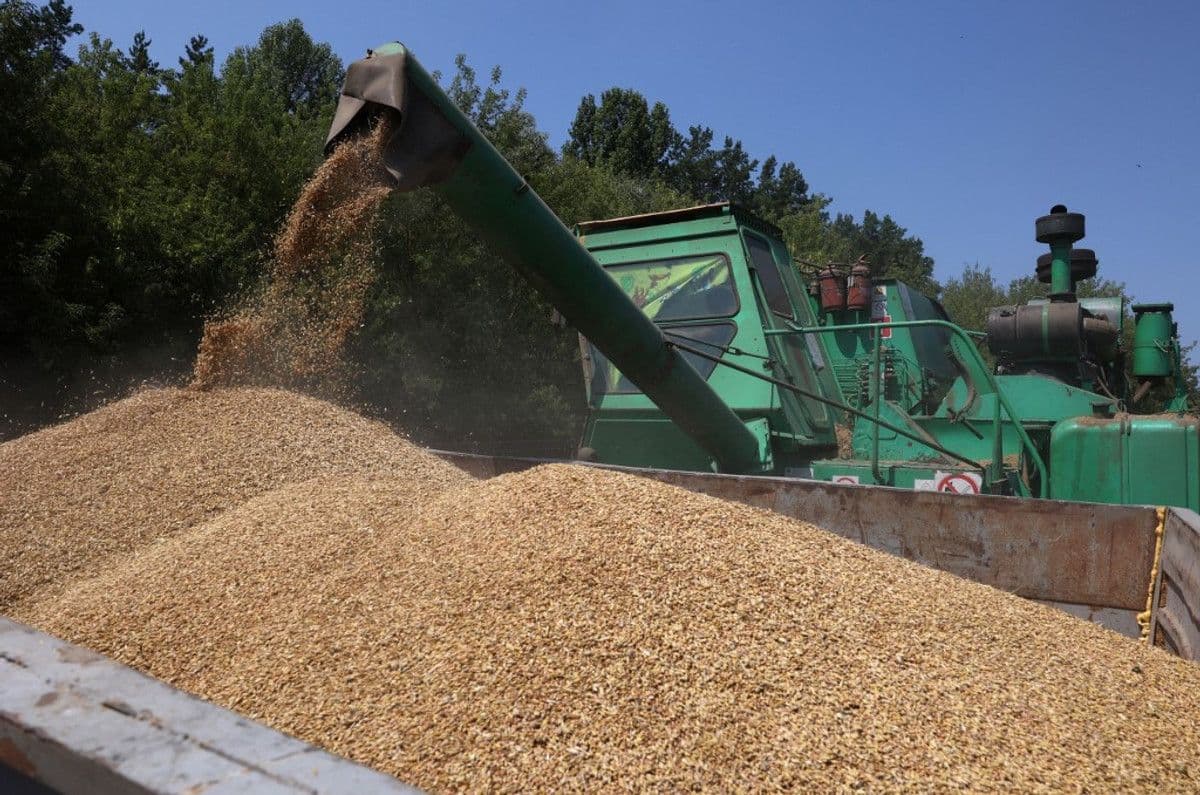
Poland and Romania Decline Expansion of Ukrainian Grain Transit Corridors
Poland and Romania Decline Expansion of Ukrainian Grain Transit Corridors
Black Sea Export Paralyzation Escalates Global Wheat Risk Premiums and FX Strain for Importers
Black Sea Export Paralyzation Escalates Global Wheat Risk Premiums and FX Strain for Importers

European Commission Considers Post-Accession Agricultural Curbs for Ukraine