
Hormuz Shipping Disruptions Threaten Global Fertilizer Flows and Crop Seasons
Shipping disruptions in the Strait of Hormuz bottleneck global fertilizer supplies, risking missed planting windows in Africa and Asia as a UN transit corridor stalls.
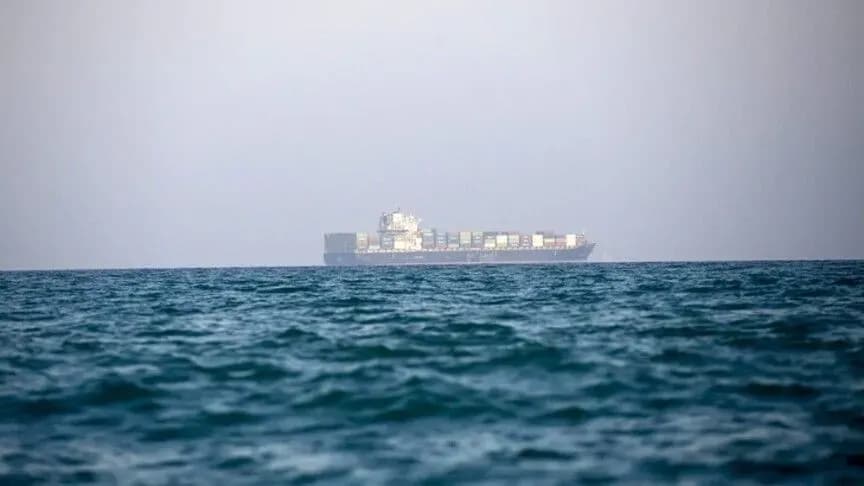
Critical Bottlenecks in the Strait of Hormuz
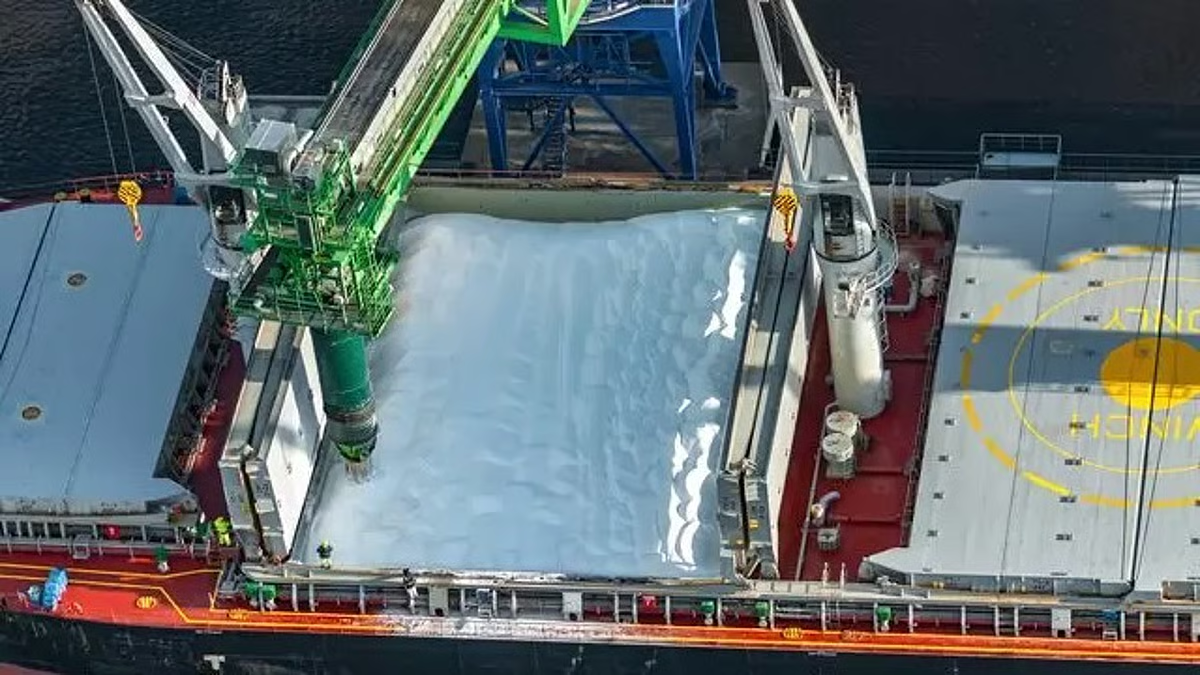
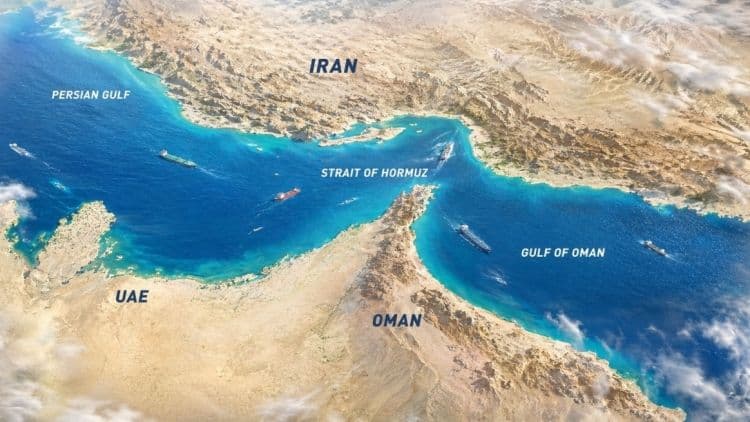
International agricultural supply chains are facing severe structural constraints as maritime disruptions in the Strait of Hormuz restrict the flow of essential agricultural nutrients. According to assessments from the United Nations and S&P Global, the strait serves as an irreplaceable choke point for global plant nutrition, handling approximately 29% of global urea trade, 50% of seaborne sulfur, and 21% of ammonia shipments under normal operating conditions.
The ongoing obstruction of these vital seaborne flows has constrained access to chemical inputs that form the bedrock of commercial crop nutrition worldwide. With a significant portion of international export volumes originating from or transiting through the Persian Gulf, the restriction of maritime logistics through the narrow waterway has created immediate deficits across key recipient markets, complicating port-to-field delivery schedules and leaving international traders facing widespread supply uncertainty.
Stalled Negotiations on the Oman Transit Corridor
To prevent an escalation of supply disruptions, the United Nations formulated a dedicated transit mechanism aimed at restoring consistent input traffic through the passage. The proposed framework calls for the establishment of a specialized coordination center located in Oman, designed to register, clear, and monitor the transit of at least five fertilizer-carrying vessels per day through the Strait of Hormuz.
However, implementation of the mechanism remains stalled amid diplomatic deadlocks. UN officials warn that failure to finalize and activate the UN-backed fertilizer transit corridor within a window of several weeks could trigger cascading agricultural shortfalls. The absence of a secured safe-passage protocol leaves commercial vessel operators facing operational hesitations, directly restricting the throughput necessary to clear backlogged volumes from regional production facilities.

Price Volatility and Compounding Input Pressures
The logistical impasse in the Persian Gulf has introduced substantial volatility into input purchasing markets. Estimates indicate that fertilizer prices have surged by 25% to 30% since conflict erupted in February 2026, creating severe cost pressures for agricultural importers, distributors, and primary producers.
These procurement challenges are further amplified by broader input inflation, particularly elevated fuel prices, alongside environmental disruptions tied to El Niño. Together, surging fertilizer acquisition costs, steep fuel expenses, and adverse weather patterns are exerting pronounced downward pressure on agricultural yields globally. For commercial farms and smallholders alike, the sharp escalation in baseline operating expenditures restricts application rates, compromising productivity across key commodity belts.
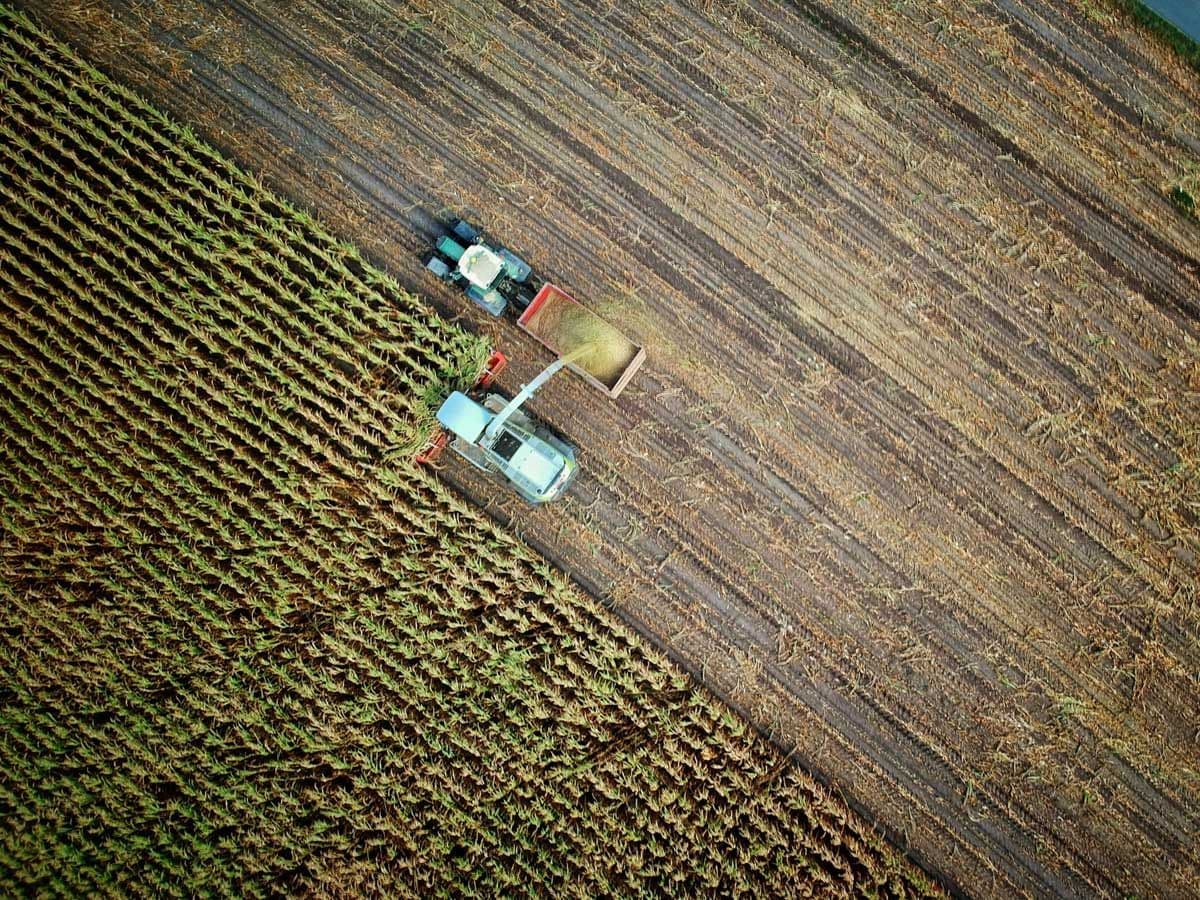
Agricultural Risks for Developing Economies
The timing of the shipping disruptions poses immediate risks to agricultural output in import-dependent regions, particularly across parts of Africa and Asia. UN warnings underscore that if key fertilizer shipments fail to clear the Strait of Hormuz in the coming weeks, farmers in these regions face the imminent prospect of missed planting seasons.
Developing nations with limited financial flexibility to absorb the 25% to 30% surge in fertilizer prices are especially vulnerable to input shortages. Without timely access to urea, ammonia, and sulfur-based inputs, field applications are curtailed, elevating the threat of widespread crop failures and deteriorating food security profiles. As the diplomatic deadlock over the Oman coordination center continues, the vulnerability of agricultural production cycles in the Global South remains tightly bound to developments in the strait.
Related Articles
UN Warns Strait of Hormuz Disruptions Threaten Global Fertilizer Supply and Planting Seasons
UN Warns Strait of Hormuz Disruptions Threaten Global Fertilizer Supply and Planting Seasons
Strait of Hormuz Shipping Disruptions Threaten Global Food Supplies and Drive Agricultural Price Increases
Strait of Hormuz Shipping Disruptions Threaten Global Food Supplies and Drive Agricultural Price Increases
Hormuz Shipping Disruptions Drive Up Agricultural Prices as IFAD Warns of Threat to Global Food Security
Hormuz Shipping Disruptions Drive Up Agricultural Prices as IFAD Warns of Threat to Global Food Security
Strait of Hormuz Disruptions Threaten Global Fertilizer Trade and African Agriculture