
S&P Global Report Highlights Strait of Hormuz Fertilizer Logistics Risks and Global Food Security Concerns
A new S&P Global Institute report details how maritime shipping disruptions in the Strait of Hormuz threaten global fertilizer supplies, impacting urea, sulfur, and ammonia trade.

Strait of Hormuz Chokepoint Threatens Global Fertilizer Trade
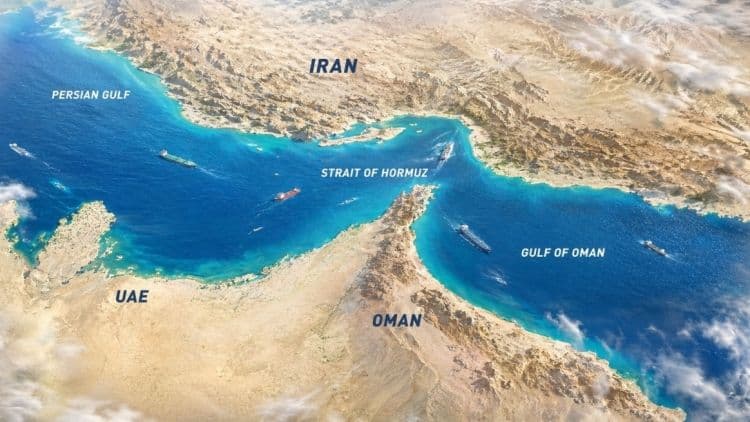
A newly released report from the S&P Global Institute underscores the severe vulnerabilities embedded within global agricultural supply chains due to ongoing maritime shipping disruptions. Centered on the Strait of Hormuz, the analysis quantifies the massive volume of essential agricultural inputs that transit this vital maritime chokepoint. According to the findings, approximately 29% of global urea, nearly 50% of global sulfur, and 21% of merchant ammonia trade move through this restricted corridor.
The concentration of these critical fertilizer ingredients passing through a single geopolitical chokepoint exposes international agricultural markets to immediate structural risks. As ongoing regional conflicts and shipping restrictions persist, the flow of foundational crop nutrients faces continuous bottlenecks, directly challenging the stability of international trade routes relied upon by grain and commodity producers worldwide.
Structural Deficits and Pressures on Farm Affordability
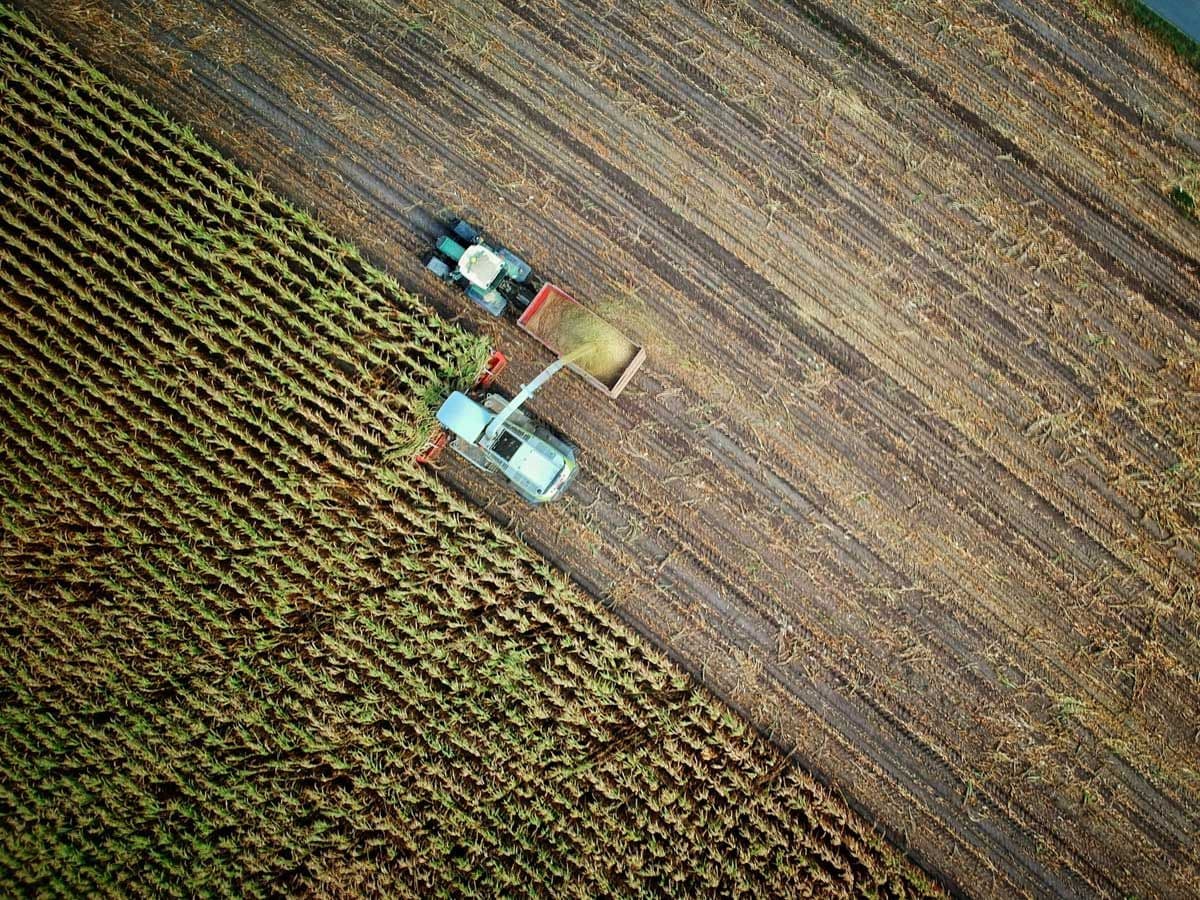
The ongoing conflict in the Middle East has directly generated structural fertilizer supply deficits across international markets. Shipping restrictions combined with elevated energy costs are heavily impacting farm-level input affordability. Because fertilizers represent a primary operational expenditure for agricultural producers, these logistics-driven supply constraints threaten to undermine farm profitability and constrain global crop yields.
While corporate credit ratings within the global fertilizer industry have largely remained stable despite the initial volatility, the underlying agricultural economics point toward rising pressure on downstream food production. As input costs remain tied to energy shocks and restricted shipping channels, the long-term availability of vital nutrients for major agricultural producing regions faces mounting uncertainty.
Vulnerabilities Across South Asian Agricultural Markets
The report specifically highlights heightened risks for South Asian agricultural economies, identifying nations such as India and Bangladesh as particularly vulnerable to regional shipping disruptions. These countries exhibit a distinct dual reliance on Gulf-sourced fertilizer imports to support domestic crop production.
Furthermore, these domestic agricultural sectors depend heavily on liquefied natural gas (LNG) imports, which are similarly exposed to the energy and transit disruptions centered around the Strait of Hormuz. This dual dependency creates compounding pressures for regional food security, as constrained access to imported feedstocks directly impacts local fertilizer manufacturing capabilities and subsequent agricultural output.
Related Articles
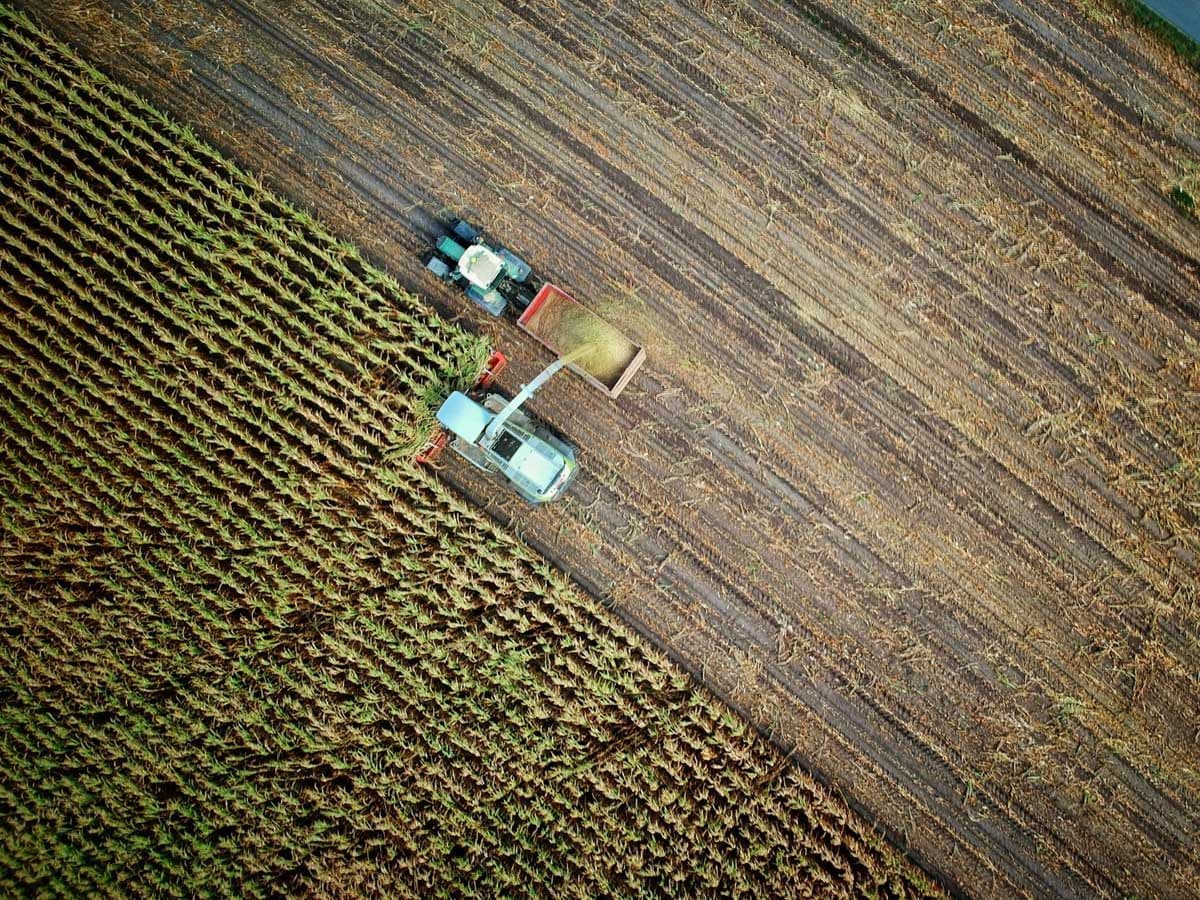
Strait of Hormuz Shipping Disruptions Threaten Global Food Supplies and Drive Agricultural Price Increases
Strait of Hormuz Shipping Disruptions Threaten Global Food Supplies and Drive Agricultural Price Increases
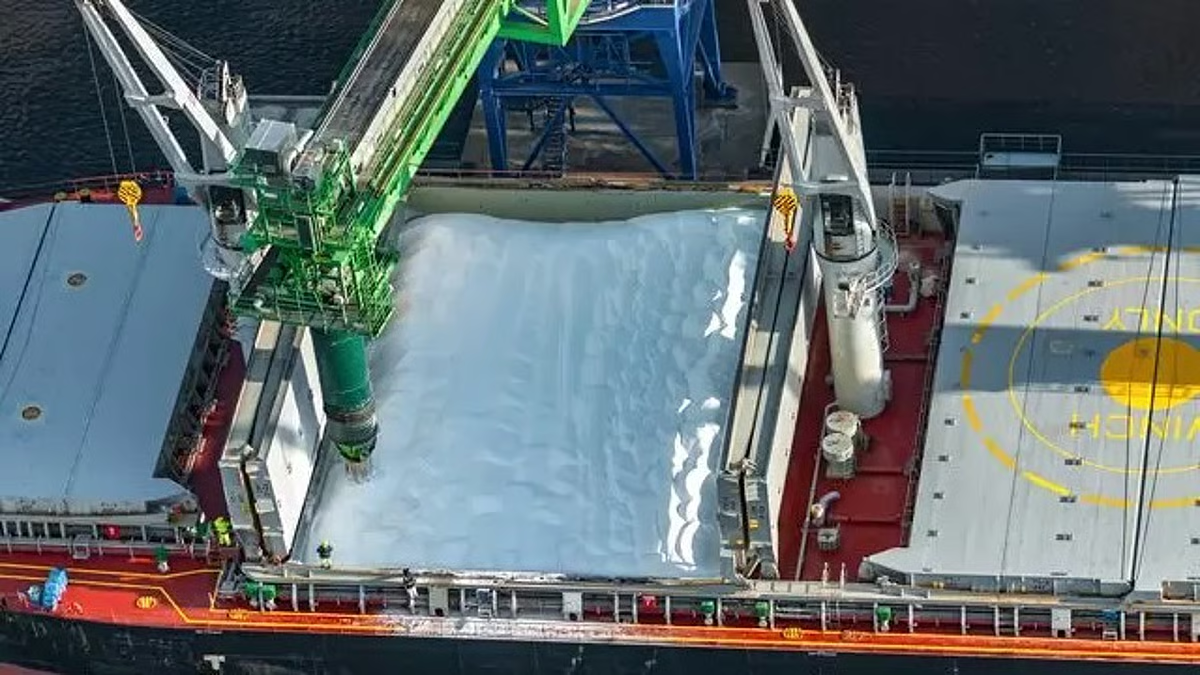
Hormuz Shipping Disruptions Drive Up Agricultural Prices as IFAD Warns of Threat to Global Food Security
Hormuz Shipping Disruptions Drive Up Agricultural Prices as IFAD Warns of Threat to Global Food Security
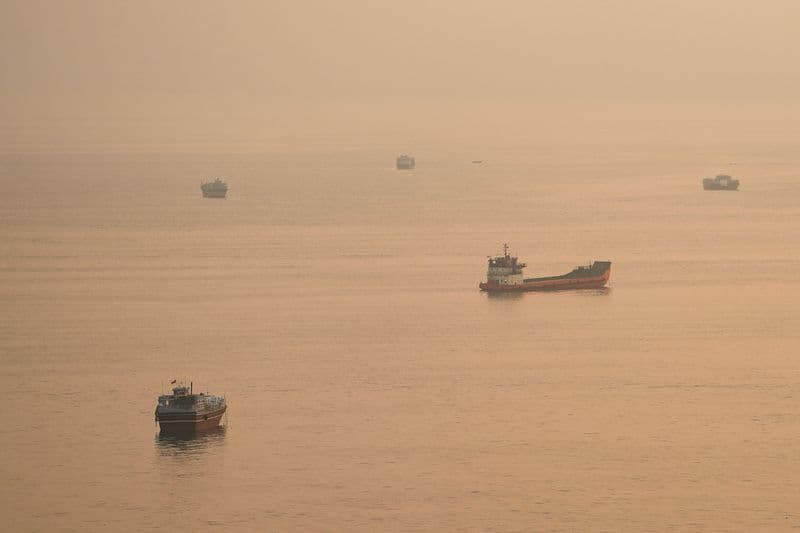
UN Warns Strait of Hormuz Disruptions Threaten Global Fertilizer Supply and Planting Seasons
UN Warns Strait of Hormuz Disruptions Threaten Global Fertilizer Supply and Planting Seasons
Strait of Hormuz Disruptions Threaten Global Fertilizer Trade and African Agriculture