
UN Warns Strait of Hormuz Shipping Disruptions Threaten Global Fertilizer Supply and 2026/27 Crop Yields
UNCTAD warns that shipping disruptions in the Strait of Hormuz threaten global crop yields for 2026/27, creating severe fertilizer bottlenecks and price volatility that hit import-dependent African and Asian markets hardest.
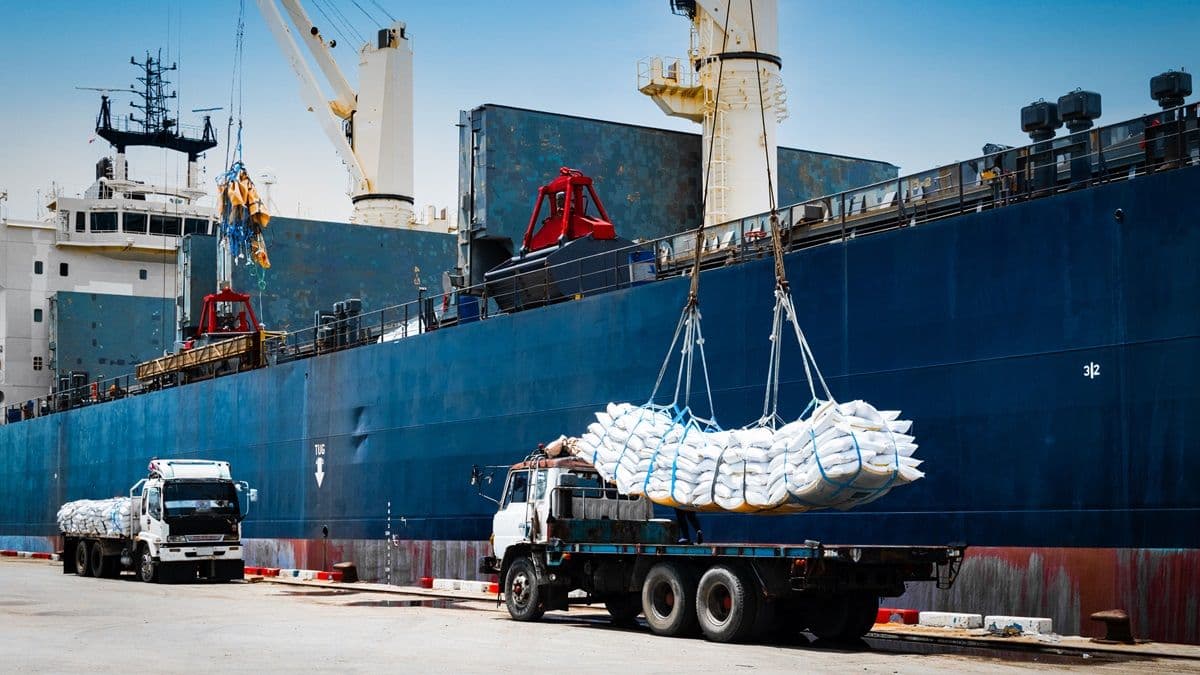
Strategic Chokepoint Transit Pressures in the Strait of Hormuz
The Strait of Hormuz represents one of the most vital arteries in international maritime trade, serving as an indispensable conduit for primary agricultural inputs. Under normal operational conditions, this maritime chokepoint handles approximately 29 percent of global urea trade and nearly half of all seaborne sulfur shipments.
Recent and ongoing disruptions to commercial navigation through the waterway have introduced critical bottlenecks into the international supply chain. Because such a significant share of global nitrogenous and sulfur-based input flows relies on uninterrupted transit through this single passage, sustained operational impediments have immediate repercussions for global fertilizer availability and commercial distribution schedules.
UNCTAD Highlights Price Volatility and Supply Chain Bottlenecks
Assessments from the United Nations Conference on Trade and Development (UNCTAD) confirm that the persistent shipping crisis in the Strait of Hormuz has triggered severe fertilizer supply bottlenecks and sharp price volatility across international commodity markets.
With shipments delayed or unable to navigate through standard maritime corridors, the global agricultural inputs sector faces pronounced distribution friction. The resulting market turbulence affects both baseline availability and transaction costs, presenting substantial planning challenges for commercial importers, agricultural producers, and agribusiness stakeholders reliant on predictable fertilizer delivery timelines.
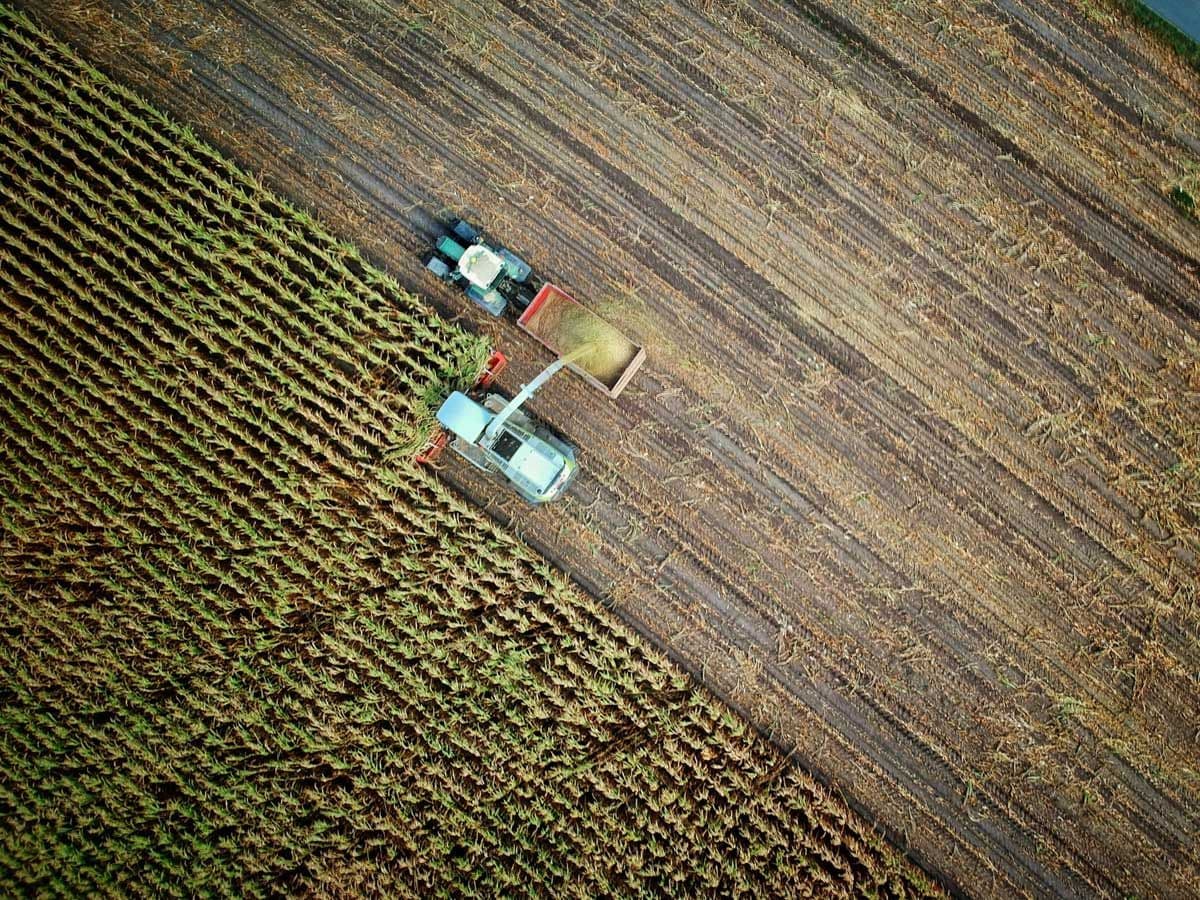
Compounding Threats: Input Deficits and El Niño Impact 2026/27 Yields
The shipping disruptions occur against an already fragile environmental backdrop. According to United Nations findings, the convergence of constrained fertilizer availability, unstable input pricing, and extreme El Niño weather patterns poses a compounding threat to global crop yields for the 2026/27 agricultural seasons.
When input deficits coincide with climatic anomalies, the combined stress significantly diminishes broader agricultural productivity prospects. UNCTAD indicates that the operational impasse threatens to compromise upcoming planting and cultivation cycles worldwide, compounding broader risks to global food security.

Vulnerability in Import-Dependent Developing Economies
While shipping bottlenecks impact international commodity trade generally, the burden falls disproportionately on developing economies, particularly across Africa and Asia.
These regions exhibit high import dependency for their essential fertilizer requirements. Consequently, physical availability shortages and elevated, volatile input prices present acute risks to local farming viability, domestic production levels, and food security. As transit restrictions in the Strait of Hormuz persist, these import-reliant markets remain the most exposed to the dual shocks of logistical dislocation and compounding climate pressures.
Related Articles
Hormuz Shipping Disruptions Threaten Global Fertilizer Flows and Crop Seasons
Hormuz Shipping Disruptions Threaten Global Fertilizer Flows and Crop Seasons
UN Warns Strait of Hormuz Disruptions Threaten Global Fertilizer Supply and Planting Seasons
UN Warns Strait of Hormuz Disruptions Threaten Global Fertilizer Supply and Planting Seasons
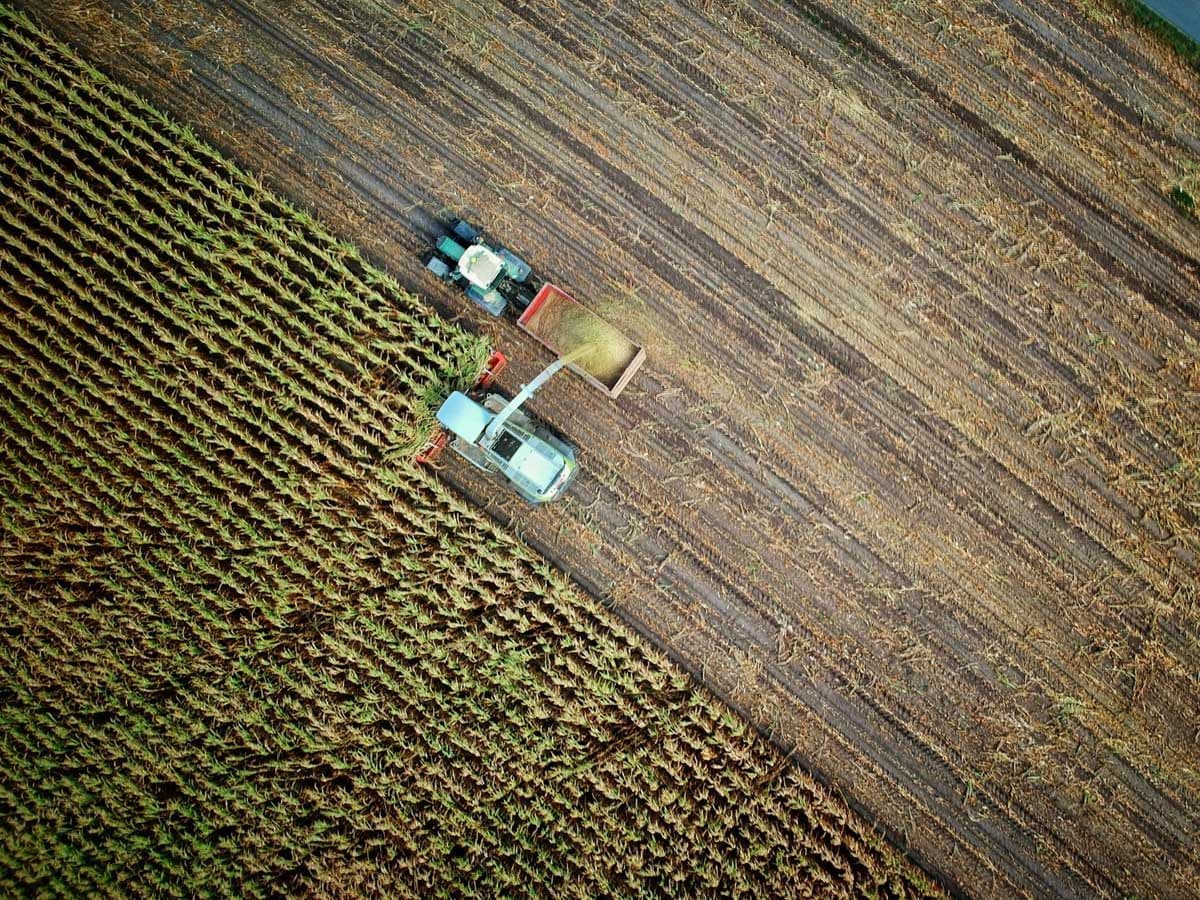
Strait of Hormuz Shipping Disruptions Threaten Global Food Supplies and Drive Agricultural Price Increases
Strait of Hormuz Shipping Disruptions Threaten Global Food Supplies and Drive Agricultural Price Increases
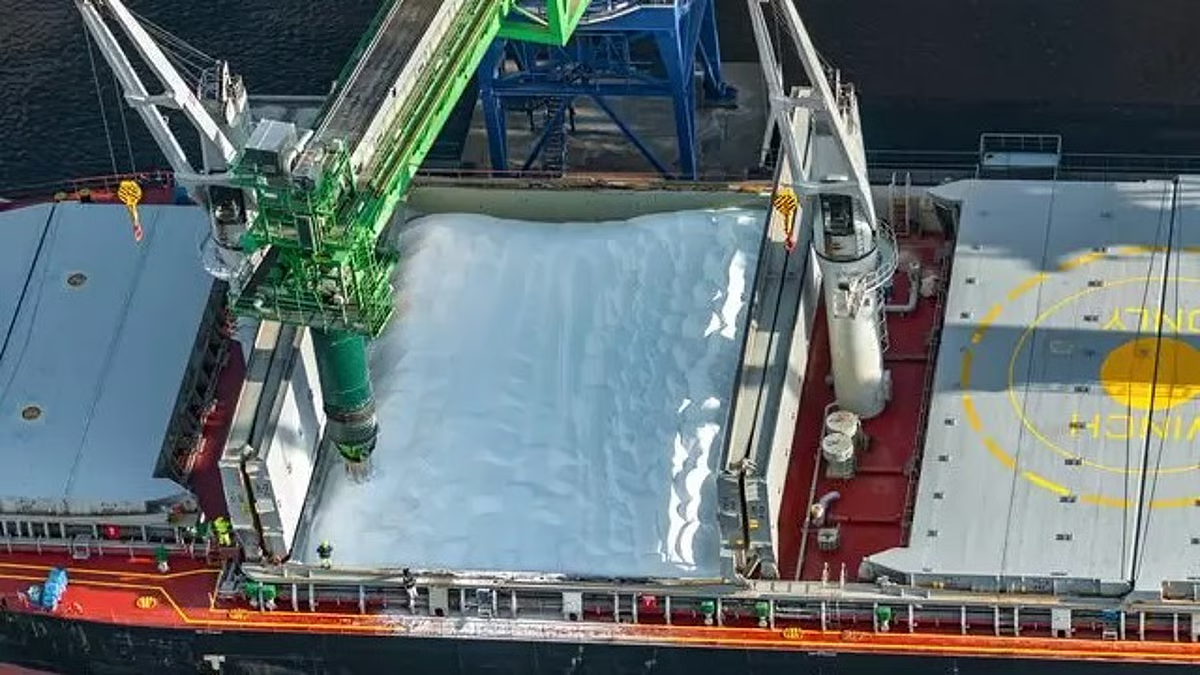
Hormuz Shipping Disruptions Drive Up Agricultural Prices as IFAD Warns of Threat to Global Food Security