
USDA Commits $1.34 Billion to Expand Domestic Fertilizer Manufacturing Capacity
The USDA announced a $1.34 billion public-private investment across eight fertilizer manufacturing projects to reduce foreign import reliance and lower input costs.
Federal FIELDS Program Directs $1.34 Billion to Domestic Fertilizer Expansion
On October 22, 2026, the United States Department of Agriculture (USDA) announced a significant initiative to strengthen the American agricultural supply chain by selecting eight fertilizer manufacturing projects for combined investments totaling $1.34 billion.
The capital deployment is anchored by approximately $573 million in direct federal funding provided through the FIELDS Program. Coupled with matching private and non-federal funds, the total project investment is structured to rapidly advance physical manufacturing infrastructure and expand domestic output.
Under the program terms, the eight selected facilities are projected to introduce approximately 1.08 million tons of new annual fertilizer production capacity once fully constructed and brought into commercial operation.
Addressing Supply Chain Vulnerabilities and Import Exposure
A central objective of the federal investment is addressing structural vulnerabilities within agricultural input supply chains. International trade disruptions, volatile transport logistics, and geopolitical dependencies have highlighted the risks associated with sustained reliance on overseas fertilizer producers.
According to the USDA, the funding initiative is designed explicitly to curb reliance on foreign fertilizer suppliers. By establishing an expanded domestic manufacturing footprint, agricultural policymakers aim to insulate domestic crop producers from external supply shocks and reinforce national agricultural security.
The strategic focus aligns with broader international trade shifts, as major agricultural economies evaluate domestic supply security for critical crop inputs such as nitrogen and potash.
Production Impacts: Significant Gains in Potash and Nitrogen Output
The distribution of the 1.08 million tons of added annual capacity will materially shift domestic production baselines across essential fertilizer categories, most notably potash and nitrogen.
USDA projections indicate that the newly funded manufacturing facilities will expand domestic potash production by nearly 40%. Potash has traditionally represented one of the most concentrated segments of the global agricultural input trade, making this substantial percentage gain critical for domestic supply resilience.
Simultaneously, the eight manufacturing projects are projected to increase domestic nitrogen fertilizer production by 3.7%. Although nitrogen manufacturing already maintains an established domestic baseline, the incremental capacity expansion delivers additional stability to high-volume crop production cycles.
Projected Economic Effects on Agricultural Input Prices
Beyond manufacturing volume gains, the USDA's economic analysis outlines tangible downstream pricing effects for farm operators once the additional domestic facilities become fully operational.
The influx of new domestic volume is projected to lower market prices across key input categories. Specifically, economic projections indicate that the expanded domestic capacity could reduce nitrogen fertilizer prices by 4.4%.
For potash, where domestic output will increase by nearly 40%, the economic models project a price decrease of 5.3%. For commercial crop growers, input pricing stability and downward margin relief remain essential determinants of global competitiveness and production planning.
Related Articles

USDA Launches $8 Billion Harvest Fuel Relief Program to Offset Agricultural Input and Energy Costs
USDA Launches $8 Billion Harvest Fuel Relief Program to Offset Agricultural Input and Energy Costs
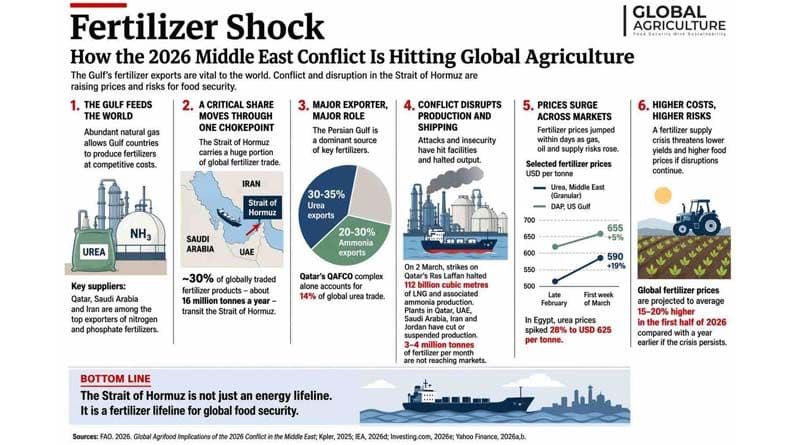
S&P Global Report Highlights Strait of Hormuz Fertilizer Logistics Risks and Global Food Security Concerns
S&P Global Report Highlights Strait of Hormuz Fertilizer Logistics Risks and Global Food Security Concerns
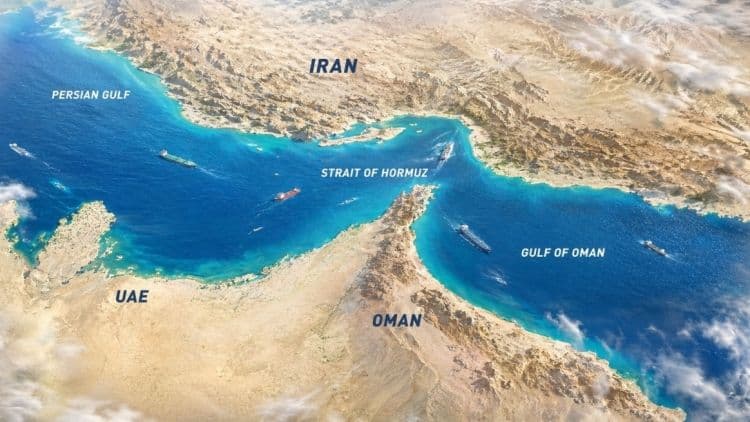
Strait of Hormuz Disruptions Threaten Global Fertilizer Trade and African Agriculture
Strait of Hormuz Disruptions Threaten Global Fertilizer Trade and African Agriculture
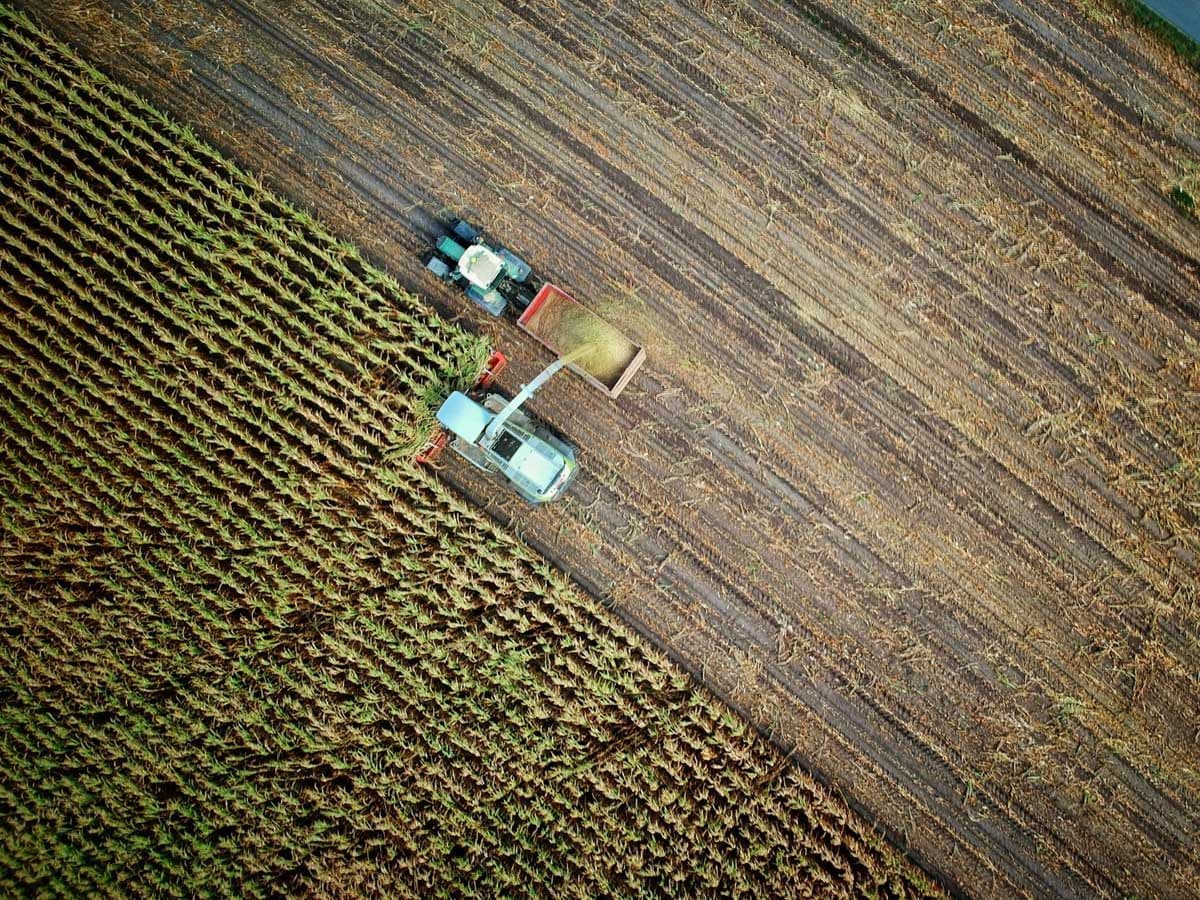
Strait of Hormuz Shipping Disruptions Threaten Global Food Supplies and Drive Agricultural Price Increases